
How Can Businesses Control Scent Diffuser Operating Costs?
Sep. 08, 2026
For businesses using scent marketing, purchasing the diffuser is only the beginning of the investment.
Hotels, retailers, offices, dealerships and commercial facilities also need to consider fragrance consumption, electricity, maintenance, labor and equipment replacement throughout the operating period.
A diffuser with a low purchase price may not necessarily provide the lowest total cost of ownership.
For B2B buyers, evaluating operating costs before selecting equipment can help create a more predictable scenting budget.
What Makes Up the Operating Cost of a Scent Diffuser?
The total operating cost generally includes several components.
Fragrance Consumption
Fragrance oil is often one of the most important recurring costs.
Consumption depends on:
-
Diffuser output
-
Daily operating hours
-
Fragrance intensity
-
Coverage area
-
Working schedule
-
Fragrance formulation
-
Environmental conditions
A machine operating continuously at a high intensity will naturally consume more fragrance than one operating according to a programmed schedule.
Electricity Consumption
Electricity usage depends on the equipment design, operating time and power requirements.
For businesses operating hundreds of scent diffusers across multiple locations, even relatively small differences in energy consumption can become meaningful over time.
Maintenance
Maintenance requirements may include:
-
Cleaning
-
Fragrance replacement
-
Filter or component inspection
-
Pump or atomization system checks
-
Troubleshooting
Equipment designed for commercial applications should be evaluated according to the expected operating environment and maintenance schedule.
Labor
Labor is often overlooked when calculating scenting costs.
Employees may need to:
-
Refill fragrance
-
Adjust settings
-
Inspect equipment
-
Move devices
-
Record maintenance
-
Respond to equipment problems
A system that is easier to manage can potentially reduce routine labor requirements.
How Can Businesses Reduce Fragrance Consumption?
Reducing fragrance consumption does not necessarily mean reducing the customer experience.
The first step is to determine the appropriate scent intensity for the space.
Instead of operating at maximum output continuously, businesses can use scheduled operation and adjustable intensity where supported.
For example, a retail store may require different fragrance output during opening hours, peak traffic periods and closing hours.
A programmable diffuser can help align fragrance output with actual occupancy.
Why Is Coverage Area Important?
Selecting a diffuser according to the actual space can help prevent inefficient operation.
Using a small diffuser for an oversized area may require higher output or multiple units.
On the other hand, installing equipment designed for a much larger space may provide unnecessary capacity for a small room.
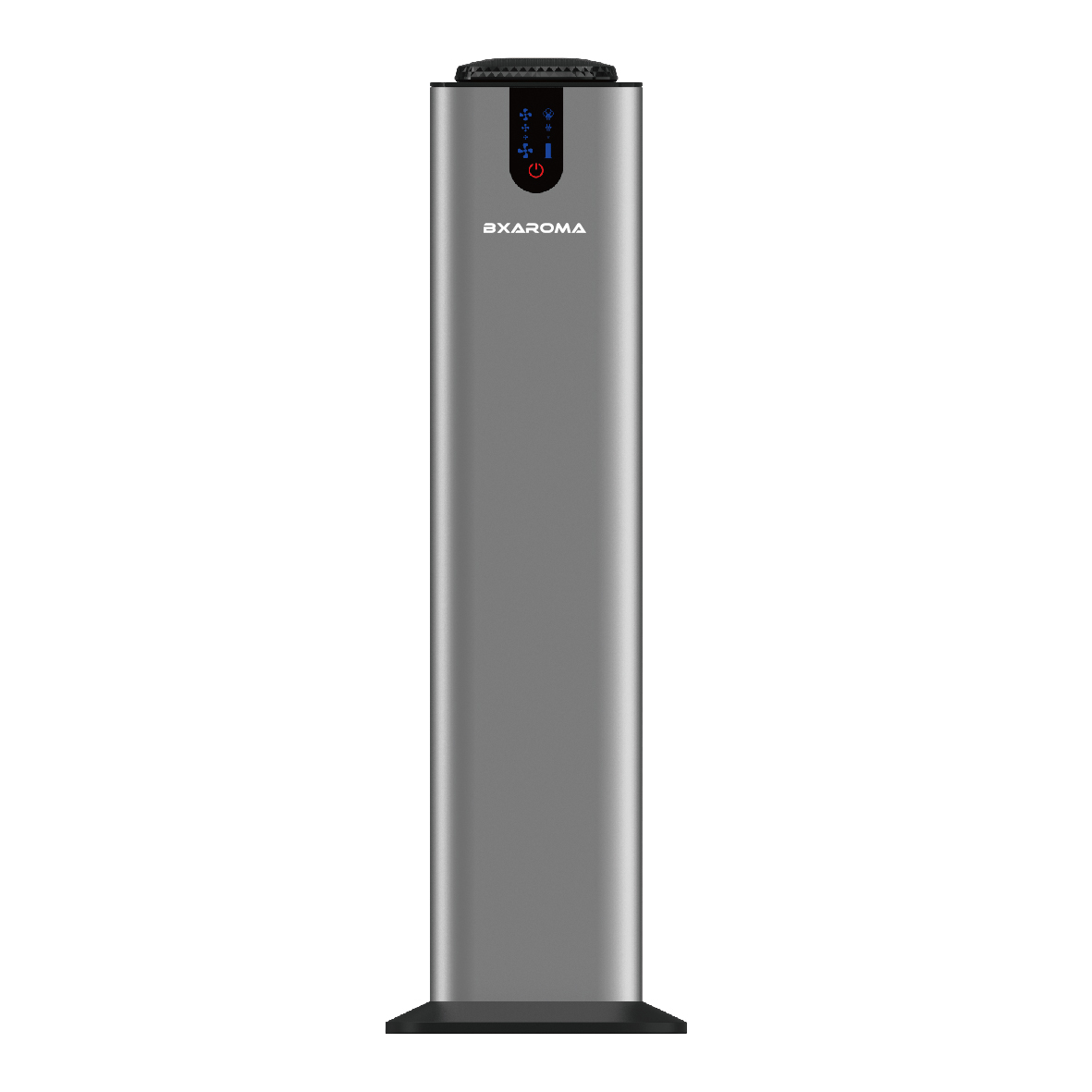
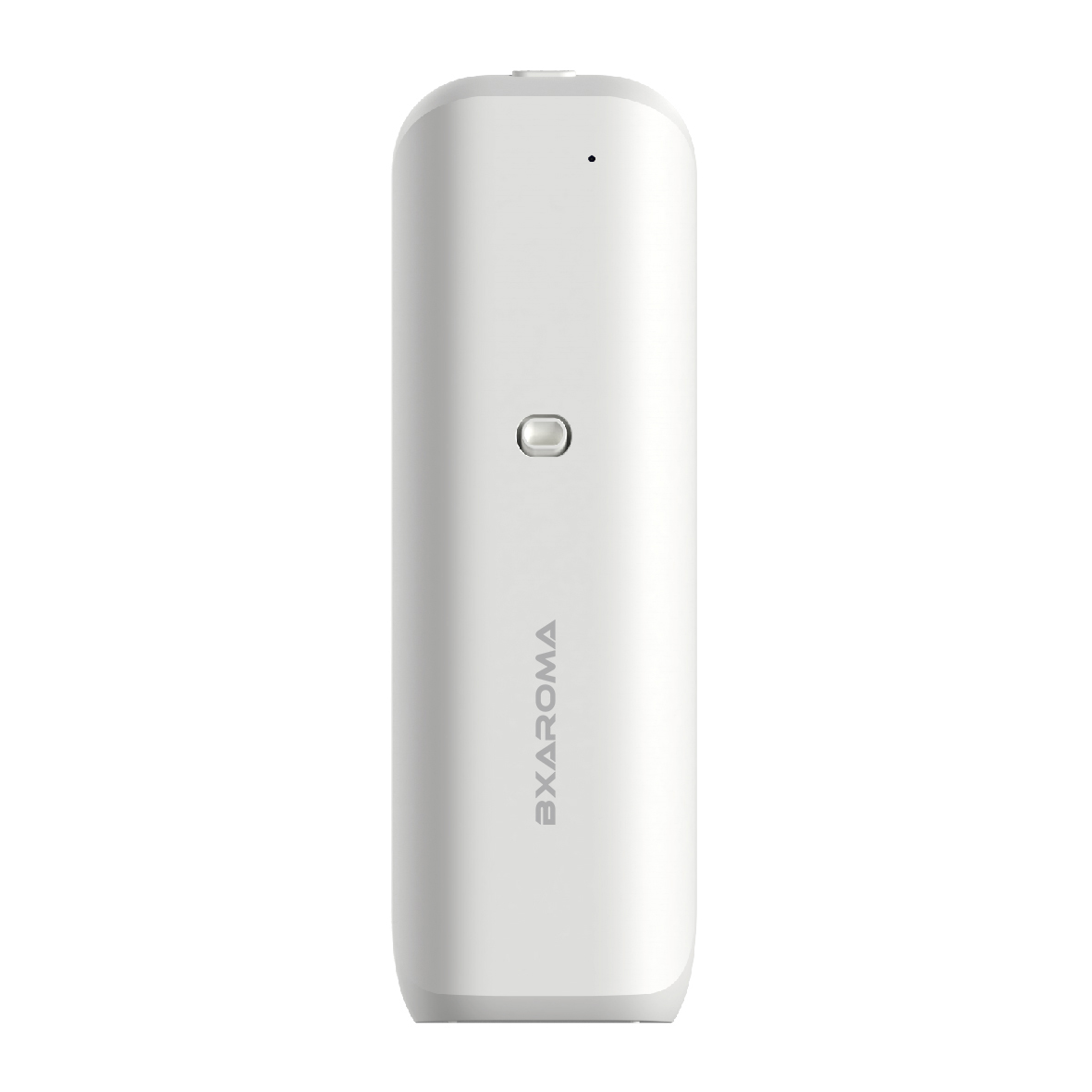
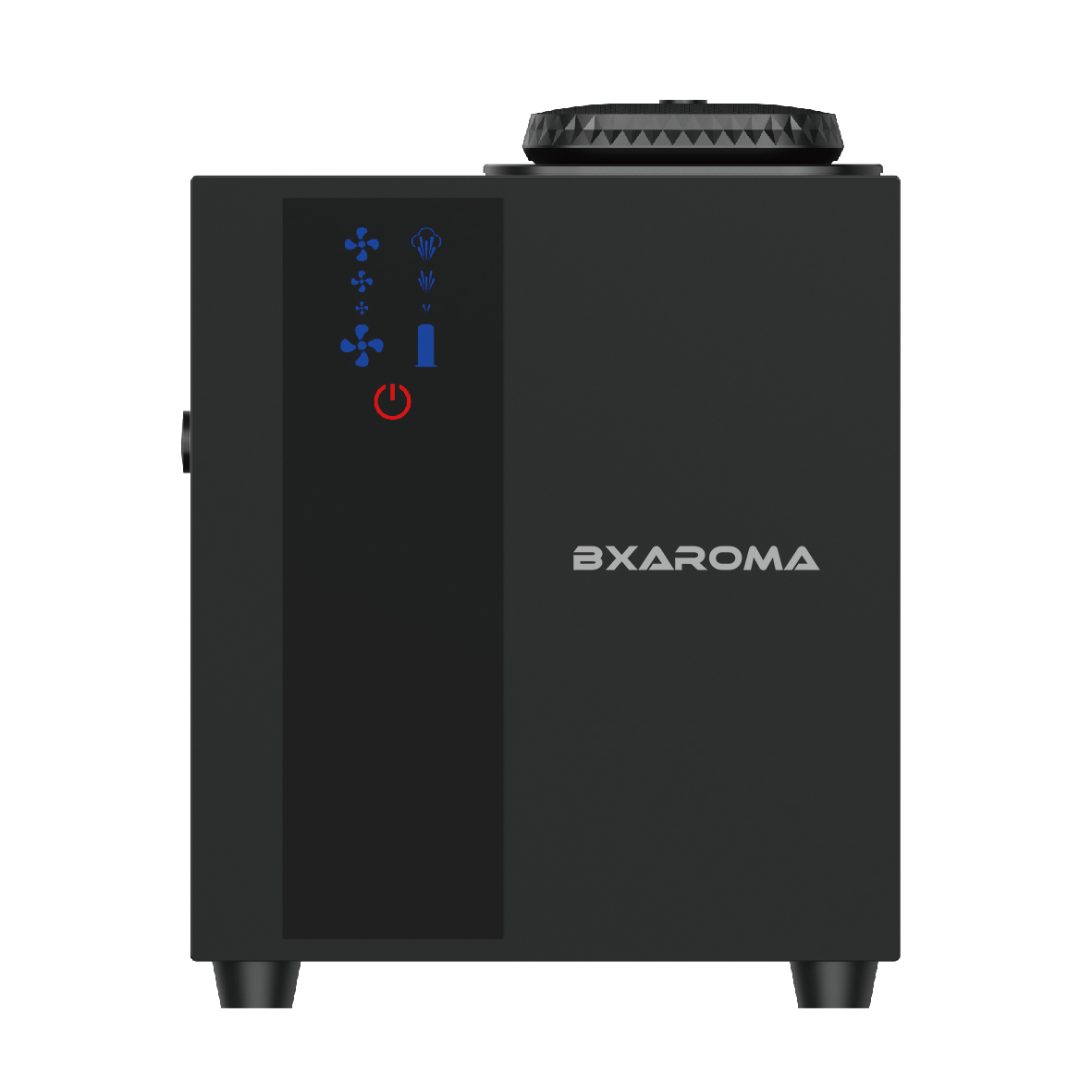
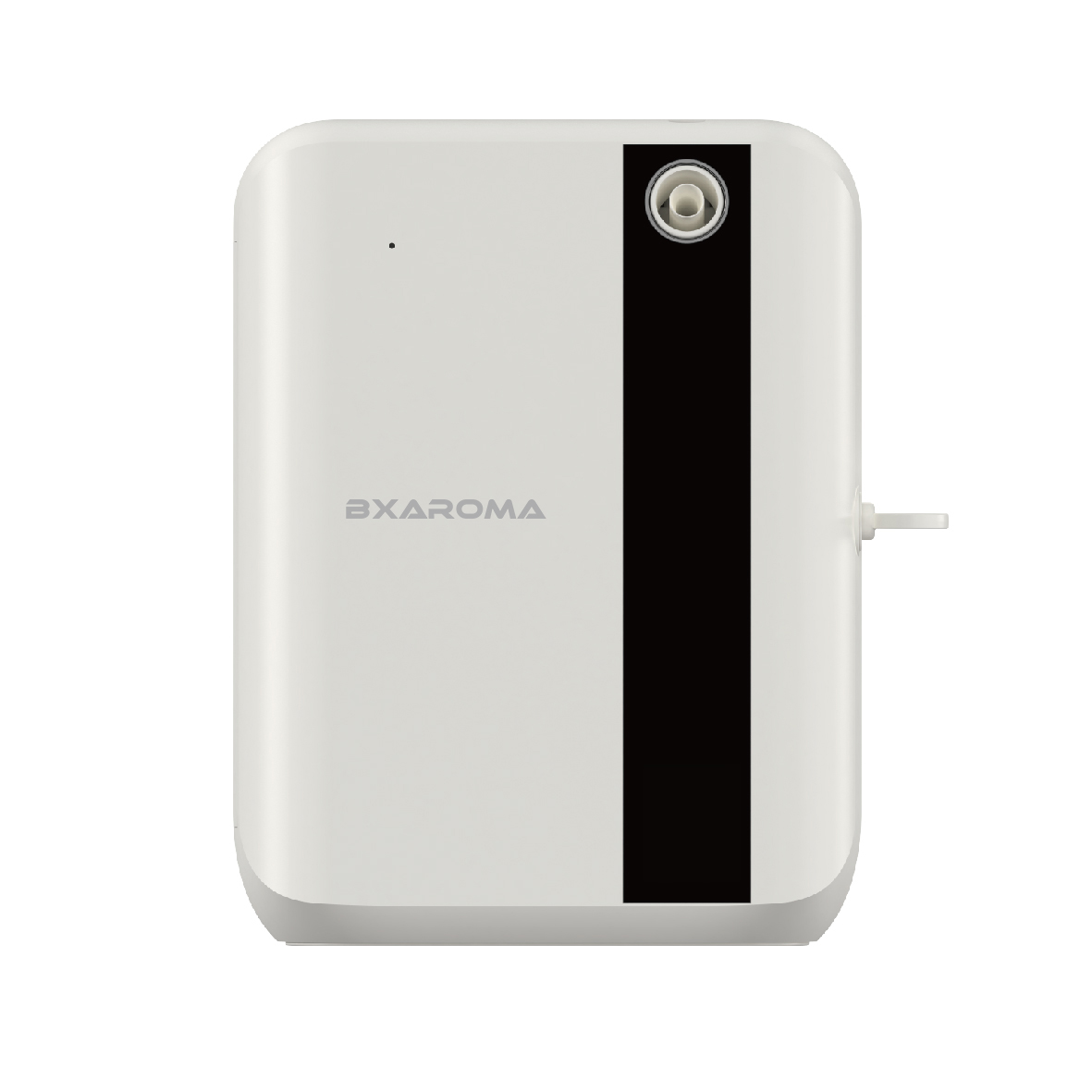
BXScent's product range includes different configurations for commercial spaces, HVAC systems, hotels, homes, vehicles and portable applications, allowing buyers to compare equipment according to space and installation requirements.
Can Scheduling Reduce Operating Costs?
Scheduling can help businesses avoid unnecessary scent diffusion when a facility is closed or occupancy is low.
Potential operating schedules include:
-
Business hours only
-
Morning and afternoon periods
-
Peak customer hours
-
Weekday schedules
-
Weekend schedules
-
Customized seasonal programs
The appropriate schedule depends on the business model and customer traffic.
Should Businesses Compare Cost Per Month?
Yes.
A useful purchasing analysis should estimate the expected monthly operating cost rather than looking only at the initial equipment price.
A basic calculation can include:
Monthly Cost = Fragrance Cost + Electricity Cost + Maintenance Cost + Labor Cost
For multi-location businesses, the calculation can then be extended across all stores, hotels or facilities.
This provides a clearer picture of the long-term investment.
How Does Remote Management Affect Cost?
For businesses operating multiple locations, remote management can reduce the need for employees to manually visit every diffuser to change settings.
BXScent offers smart scent diffuser models and describes cloud-based control for managing scenting across multiple stores.
For a chain with dozens or hundreds of locations, centralized management can become an important operational consideration.
What Should Buyers Ask a Scent Diffuser Supplier?
Before purchasing, commercial buyers should ask:
-
What is the expected fragrance consumption?
-
What area can each model cover?
-
Can output intensity be adjusted?
-
Can operation be scheduled?
-
Is remote control available?
-
What maintenance is required?
-
How frequently does the fragrance need to be replaced?
-
Are replacement parts available?
-
What is the expected service life?
These questions can provide a more realistic estimate of the equipment's long-term cost.
Why Choose BXScent for Commercial Scenting?
BXScent, operated by Guangdong Baixiang Environmental Technology Co., Ltd., provides commercial and residential scenting equipment and supports applications including hotels, retail stores, offices, shopping malls and automotive businesses. The company reports more than 10 years of experience, over 100 exporting countries and a portfolio covering commercial, HVAC, home and car scent diffusers.
Its commercial product range includes models with programmable operation, adjustable fragrance intensity and different installation configurations.
Request a Scent Diffuser Cost Assessment
If your business is planning a scenting project, compare the total operating cost rather than the equipment purchase price alone.
Provide your space size, operating hours, number of locations and expected fragrance intensity to BXScent to discuss a suitable commercial scent diffuser solution and request a quotation.