
How to Import Fragrance Oils for Scent Machines?
Oct. 08, 2026
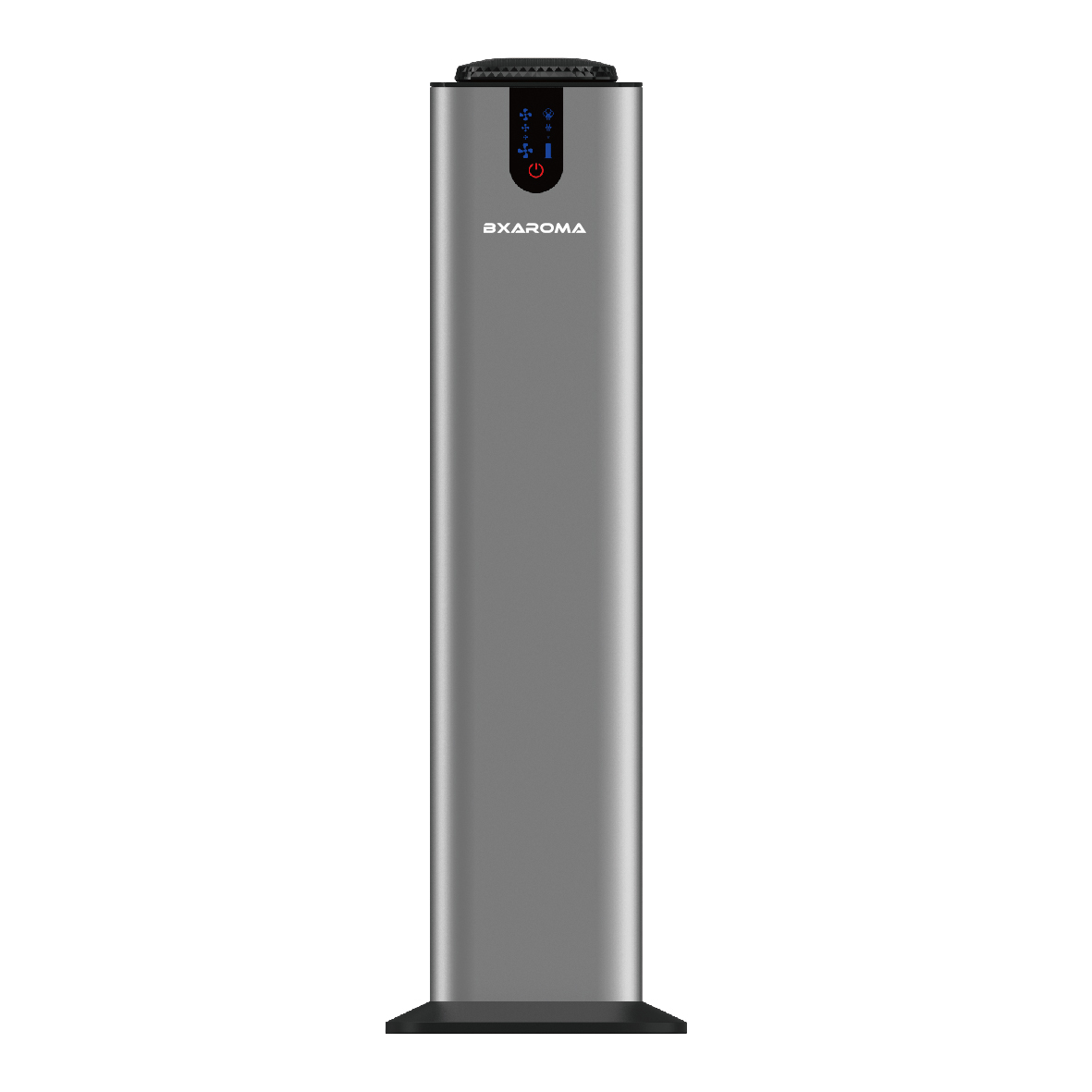
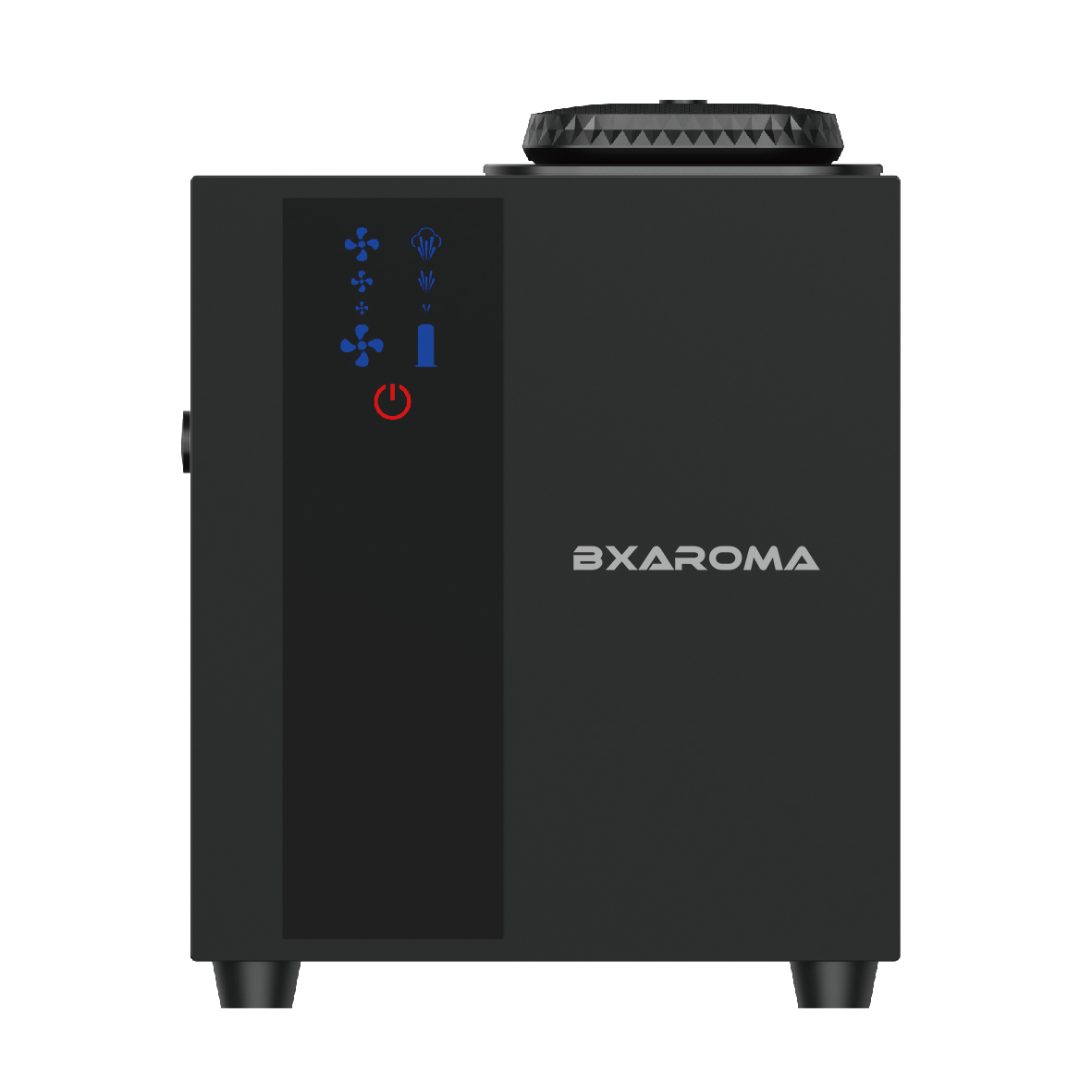
Most fragrance oil shipments need four documents before customs will release them: a Safety Data Sheet, an IFRA compliance statement, a batch-level Certificate of Analysis, and a dangerous-goods declaration when the oil's flash point sits below 60 °C. Whether that fourth one applies to you depends on the flash point and carrier of the exact oil you ordered, not on what the supplier's product page claims. Ask for the SDS before you release a deposit, read Section 9 first, and let that number decide whether you book standard sea freight or start looking for a DG-approved forwarder. The same question also reaches the hardware side, because commercial scent diffusers built around cold-air atomization behave very differently with a low-viscosity diffuser oil than with a thickened reed-diffuser blend, so the oil specification and the machine specification are worth settling together.
In short: SDS, IFRA statement and batch COA are the baseline. The dangerous-goods declaration is the one that actually causes delays, and you only know whether you need it after reading the flash point on the SDS.
What documents should you request before you pay a deposit?
Four documents cover the large majority of markets. Treat them as deliverables written into the purchase order rather than as favours requested after production has started.
|
Document |
What it actually proves |
Who asks for it |
What makes it worthless |
|
Safety Data Sheet (SDS / MSDS) |
Hazard class, flash point, storage conditions, transport class, PPE |
Freight forwarders, customs, warehouse operators |
A generic template with no batch reference, or one issued more than three years ago |
|
IFRA compliance statement |
Maximum safe use level for a defined application category |
EU and UK importers, retail compliance teams |
A statement naming no category and no percentage limit |
|
Certificate of Analysis |
That this batch matches spec: appearance, odour, density, refractive index |
Your own QC, retail onboarding |
Values copied from a previous batch, or no batch number |
|
Allergen declaration |
Presence of the 26 regulated fragrance allergens |
Cosmetics and detergent regulators in the EU and UK |
A blanket "contains no allergens" with no analysis behind it |
Request all four during sampling. A supplier who sends an SDS and a COA alongside the sample bottle usually ships consistent oil on the bulk order as well.

Is your fragrance oil classed as dangerous goods?
This is where most delays begin. Fragrance oils are chemical preparations and a large share of them are flammable liquids. The flash point printed in Section 9 of the SDS decides the classification, not the scent name, not the bottle size, and not what the sales team said on the call.
|
Flash point |
Typical transport classification |
Air freight |
What you should plan for |
|
Below 23 °C |
Class 3 flammable liquid, Packing Group II |
Restricted or refused by most carriers |
DG-approved forwarder, UN-spec packaging, notably higher freight cost |
|
23–60 °C |
Class 3, Packing Group III |
Accepted with a DG declaration and limited-quantity packing |
Longer booking lead time and a hazmat surcharge |
|
60–93 °C |
Often non-hazardous by sea, still regulated by air |
Assessed case by case |
Written confirmation from your forwarder before booking |
|
Above 93 °C |
Generally not a flammable liquid |
Standard cargo |
Cheapest and fastest routing |
Two consequences follow. A low flash point can make air freight cost more per kilogram than the oil, which is worth knowing before you compare quotes. And a supplier with no flash point on the SDS gives you nothing to classify and nothing to declare.
Which HS code and product description belong on the commercial invoice?
Classification is the importer's legal responsibility in most jurisdictions, even when the supplier fills in the paperwork. Diffuser fragrance oils are most often declared under heading 3302.90 as mixtures of odoriferous substances, while finished air-freshener preparations can fall under 3307.49. Which heading is correct depends on formulation and presentation, so confirm it with your broker rather than copying a code from an old invoice.
The description matters nearly as much. Vague entries such as "fragrance" or "aroma liquid" invite inspection. A workable commercial invoice names the goods as a fragrance oil mixture for cold-air diffusers, states net volume and bottle count, and repeats the batch number printed on the COA. When invoice, packing list, SDS and COA all carry the same batch reference, there is little left for customs to question.
Does the oil formulation change which diffuser you should buy?
It does, and this is the decision buyers most often make backwards. Cold-air atomization pushes oil through a narrow feed path and a fine nozzle, so the oil's viscosity and residue behaviour determine whether that nozzle stays open over a full bottle.
|
Oil type |
Behaviour in a cold-air atomizer |
Where it works well |
Risk if mismatched |
|
Low-viscosity oil formulated for nebulizing |
Feeds predictably, leaves a thin film |
Hotels, malls and offices on continuous schedules |
Low |
|
Citrus and oceanic blends on light carriers |
Low residue, but top notes fade sooner |
Gyms, retail floors, transport facilities |
Perceived scent drift before the bottle empties |
|
Woody and resinous bases such as santal |
Higher viscosity, slower feed |
Premium lobbies at lower intensity levels |
Film build-up on the nozzle if run hard |
|
Reed diffuser oil or essential oil thickened with a carrier |
Sits on the nozzle and hardens |
Not suited to cold-air atomization |
Clogging within weeks, added pump load |
|
High-alcohol formulations |
Low flash point, fast evaporation |
Short promotional runs |
DG shipping class plus very fast consumption |
If you are matching oil to hardware, the bulk fragrance oils Baixiang supplies are formulated for the cold-air atomization used across our diffuser range, which is why viscosity and consumption stay inside the figures printed on each machine's parameter sheet.
When does sourcing oil and machine from separate suppliers go wrong?
Splitting the order is normal and often sensible. It fails in three specific situations. The first is a mismatch nobody owns: the oil supplier points at the machine, the machine supplier points at the oil, and the nozzle stays clogged. The second is reorder forecasting, because a unit rated at 5 g/h only consumes a predictable volume per day if the oil feeds consistently, and a thicker oil quietly makes your reorder point unreliable. The third is documentation drift, where the SDS in your compliance file no longer matches the bottle on the shelf, which is precisely the gap an auditor will find.
None of that means you have to consolidate suppliers. It does mean asking both parties the same question in writing and keeping one document file per batch. Buyers who prefer to close that gap entirely can take oil and machine from one source: Baixiang ships both under a single batch reference, so the SDS in your file matches the bottle on the shelf by default.
What should go on the fragrance oil purchase order?
- Product name and batch number, repeated on the SDS, the COA and the commercial invoice
- Intended application category, so the IFRA statement matches how the oil will actually be used
- An acceptable flash point range stated as a limit rather than left open
- Bottle size, closure type, and whether UN-specification packaging is required
- Allergen declaration, plus a labelled ingredient listing if you sell into the EU or UK
- Approved reference sample per scent family, for example a white tea profile for a hotel lobby or a citrus profile for a fitness floor
How we handle documentation and oil matching at Baixiang
We supply both the oil and the machine, and we treat paperwork as part of the product rather than as an attachment.
- Every fragrance oil ships with an SDS and a COA tied to the batch number printed on the bottle.
- IFRA statements are issued per fragrance for the application category you declare at order stage.
- Our diffusers publish measured consumption rather than estimates. The A1000 runs at 5 g/h ±0.5 g/h from an 800 mL tank, the A3000 at 6 g/h ±0.6 g/h, and the B5000 dual-scent HVAC diffuser at 5.5 g/h per channel from two 1,000 mL tanks, so reorder points can be calculated from the parameter sheet instead of guessed.
- The B5000 uses a patented anti-oxidation and filtration design that slows residue build-up, which matters most with heavier woody bases.
- Custom fragrance, private-label bottles and documentation are available for qualified bulk orders. We ask for scent type, bottle size, quantity, packaging and destination market when you quote.
FAQ
Q: Can I order fragrance oil without an SDS if I only ship domestically? A: The order is possible, but you give up the one document that tells you the flash point, and the flash point governs how your insurer and your warehouse treat the stock. We issue an SDS with every oil because most commercial sites need it for their own safety file, not only for customs.
Q: How much lead time does a dangerous-goods shipment add? A: Usually one to two weeks, because the forwarder must confirm classification, book DG space and inspect UN-specification packaging. The delay sits in booking rather than production, so declaring the flash point early protects your launch date.
Q: Do I need a different oil for an HVAC system than for a standalone unit? A: Often yes, because duct injection runs longer duty cycles over far more volume. Heavier bases can leave film around the duct fitting, so confirm the oil against the duty cycle and not only the machine model. Our HVAC scent diffusers are specified with that in mind.
Q: What if my market requires registration before import? A: Requirements vary by country, and some markets require local registration before the first shipment. Send us your destination market with the enquiry and we will state which documents we supply and which your local agent must file.
Q: Can I get samples before committing to a bulk oil order? A: Yes. We suggest evaluating at least three profiles across different scent families, and we send the SDS with the samples so you can check the flash point and the transport class before you commit to a freight mode.
Talk to Baixiang About Fragrance Oil Supply and Documentation
If you are planning a fragrance oil order, or matching oil to a diffuser fleet you already run, email bx888@bxaroma.com with your scent families, bottle sizes, monthly volume and destination port. The team at Baixiang will return a quotation with the SDS, IFRA statement and COA attached, so your compliance file and your shipment move together.