How to Size a Scent Diffuser for Your Space: Coverage Area, Square Meters, and Unit Count?
Sep. 22, 2026
A scent diffuser is sized by the air volume of the space, not just the floor area printed on the box, so you should multiply length by width by ceiling height and match that volume to the unit's rated coverage before you buy. Baixiang, the manufacturer behind the Bxaroma range of scent diffusers, sees most weak-scent complaints come from undersizing rather than a poor fragrance. This guide walks through the measurements and rules that turn a coverage claim into a plan you can trust.
Why the coverage number on the box is only a start
Every diffuser lists a coverage area in square meters or cubic meters, and that figure is a best case rather than a promise. The rating usually assumes a standard ceiling near 2.4 meters, an open room, doors left open, and a medium fragrance intensity. Change any of those and the real result shifts. A unit rated for 100 square meters can feel weak in a space with high ceilings or closed side rooms, because the aroma spreads through more air than the test room held. Start from the rating, then adjust it for your actual layout instead of trusting the photo on the product page. The commercial scent diffuser category shows rated volumes next to each model so you can compare on the same basis instead of mixing square meters with cubic meters.
Measure the space in three dimensions
Scent fills air, not floor, so the first step is volume rather than area. Measure the floor length and width in meters and multiply them for the area, then measure the ceiling height and multiply the area by that height for the volume in cubic meters. A 60 square meter room at 2.4 meters gives 144 cubic meters, while the same floor at 3.6 meters gives 216 cubic meters, and that gap explains why two rooms with the same footprint scent very differently. Write the volume down for each zone before you look at any model, because the number you match against the spec is the volume, not the square meters on the listing.
How ceiling height and layout change real coverage
High ceilings push the aroma up and thin it at breathing level, while open plans let scent travel and walls, doors, and staircases trap it in zones. Strong HVAC return air also dilutes fragrance faster than a still room, because the air handler exchanges the scented air several times per hour. A useful rule is to add roughly 20 percent to the volume when doorways, escalators, or open atriums let scent escape, and to size up further when the building runs air changes aggressively. The lobby scent diffuser range is built for entrance areas where both ceiling height and foot traffic work against even scenting, so those units are rated with that penalty in mind.
Match the diffuser type to the zone
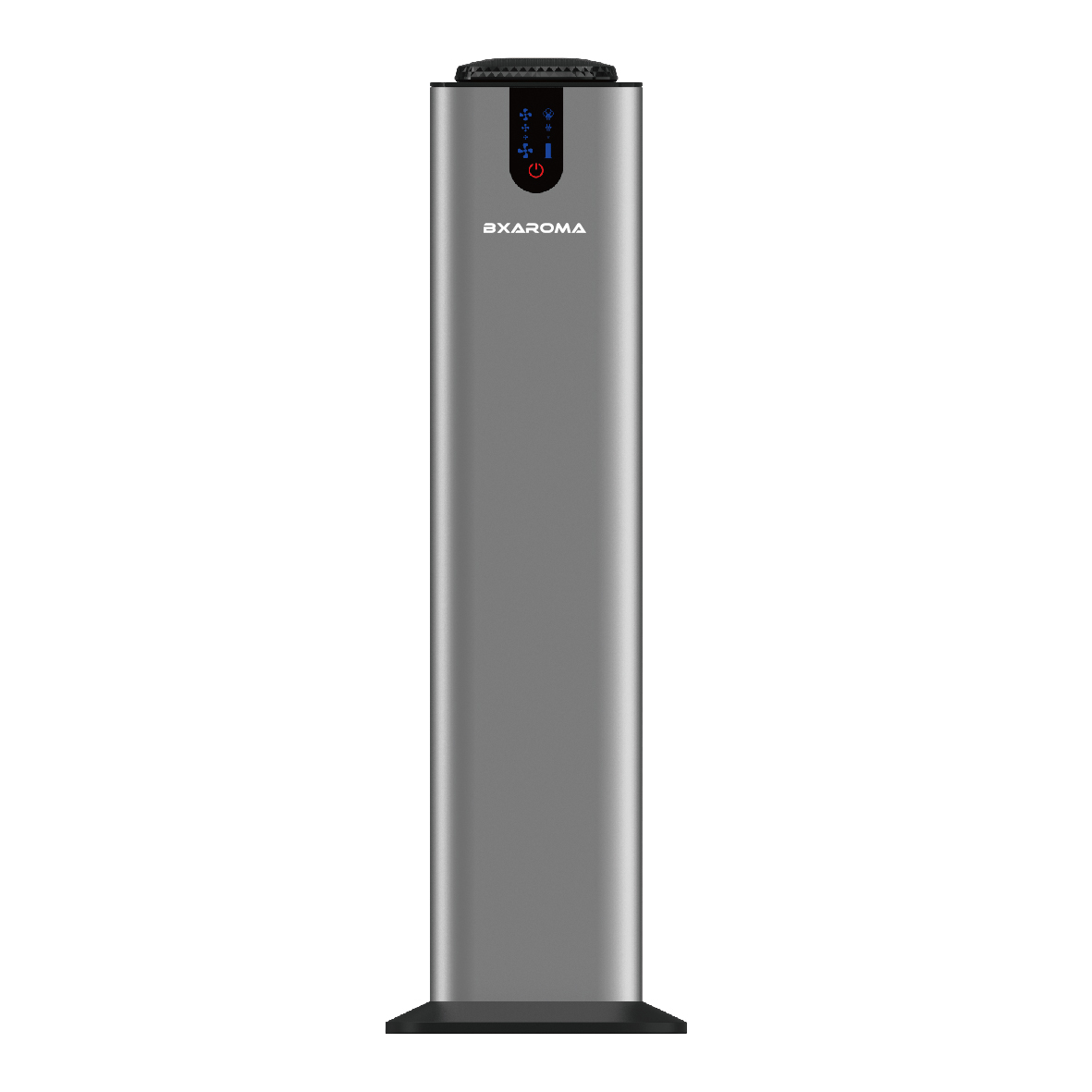
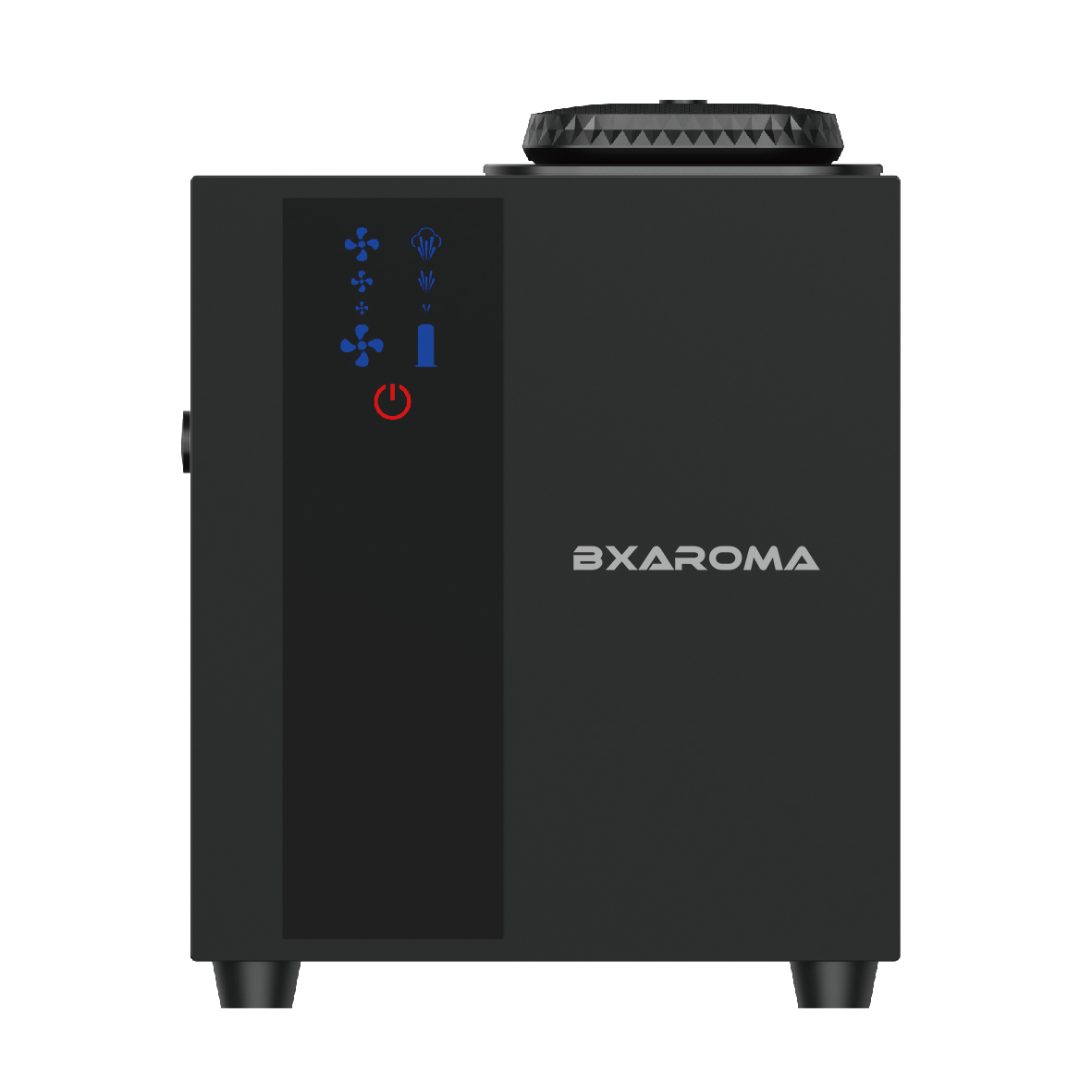
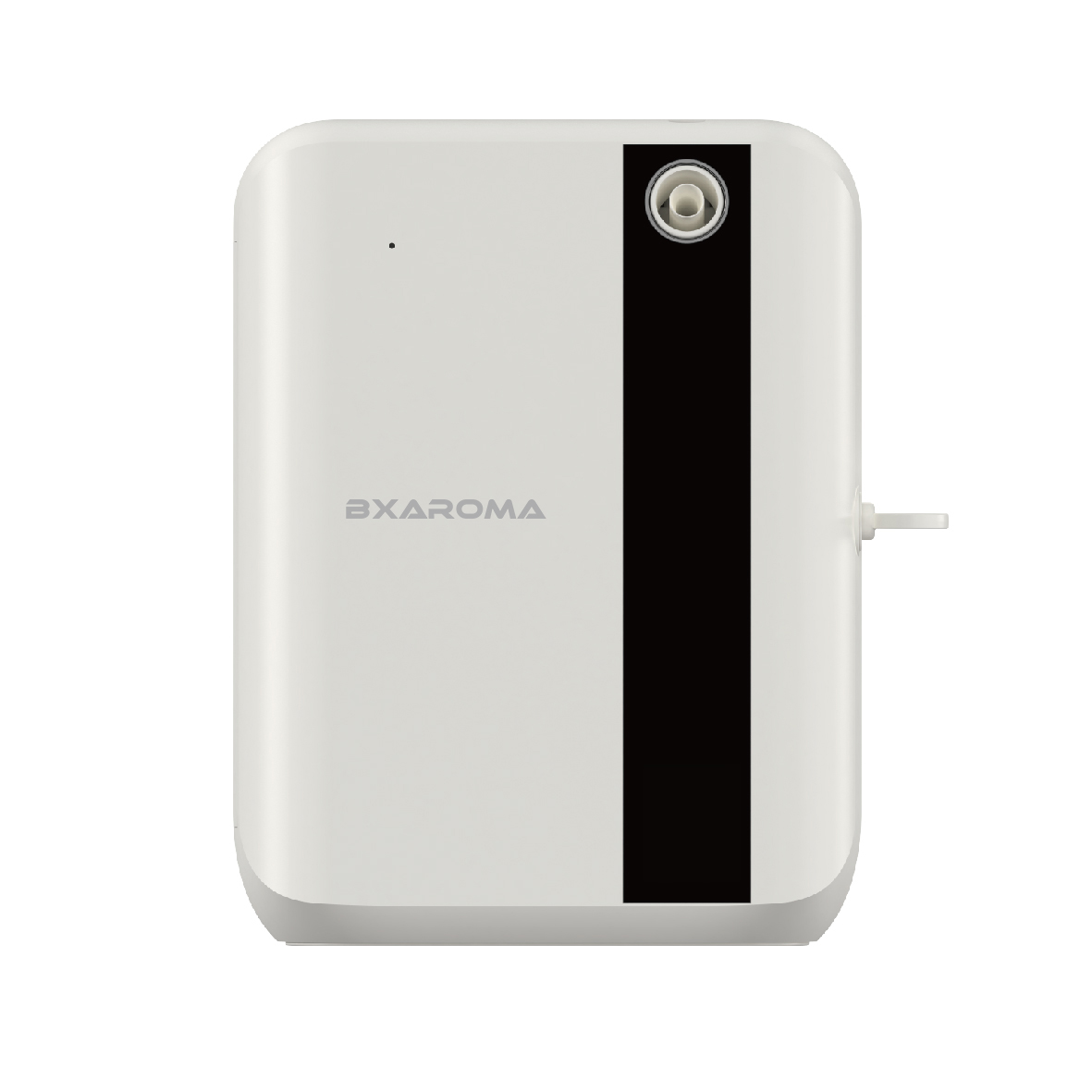
The two main delivery types suit different zones, and the type should be chosen before the size. A standalone cold-air or fan unit sits in the room and scents that one zone, which fits a single lobby, a meeting room, or a retail bay where a visible wall or ceiling device is acceptable. An HVAC diffuser pushes fragrance through the building ducts and covers far more area from one mechanical point, which suits hotels, malls, and offices with centralized air where running scent with the air handler is the efficient path. Baixiang builds both types across the commercial and HVAC ranges, so a buyer can switch delivery type without changing supplier. The HVAC scent diffuser line covers large volumes from a single location, while a wall or ceiling standalone unit handles a defined room, so the building layout decides the type and the volume decides the size within it.
One large unit or several smaller ones
For long corridors, connected rooms, or chopped layouts, several smaller units usually beat one oversized machine, because scent stays even and you avoid a strong burst near the unit with nothing ten meters away. Baixiang recommends treating each zone as its own project with its own device and schedule, because a single release point fights the building's air path and leaves side rooms neutral. A hotel with a lobby, a lounge, and a corridor should treat each as its own zone with its own device and schedule, and the smart commercial models such as the A1000 and the A5000 let one app run separate intensities per zone so the plan stays manageable as the site grows. The A2000 lobby unit is a common anchor for a main entrance, while side zones get smaller wall units, and that mix gives control the single big machine cannot.
A practical sizing example
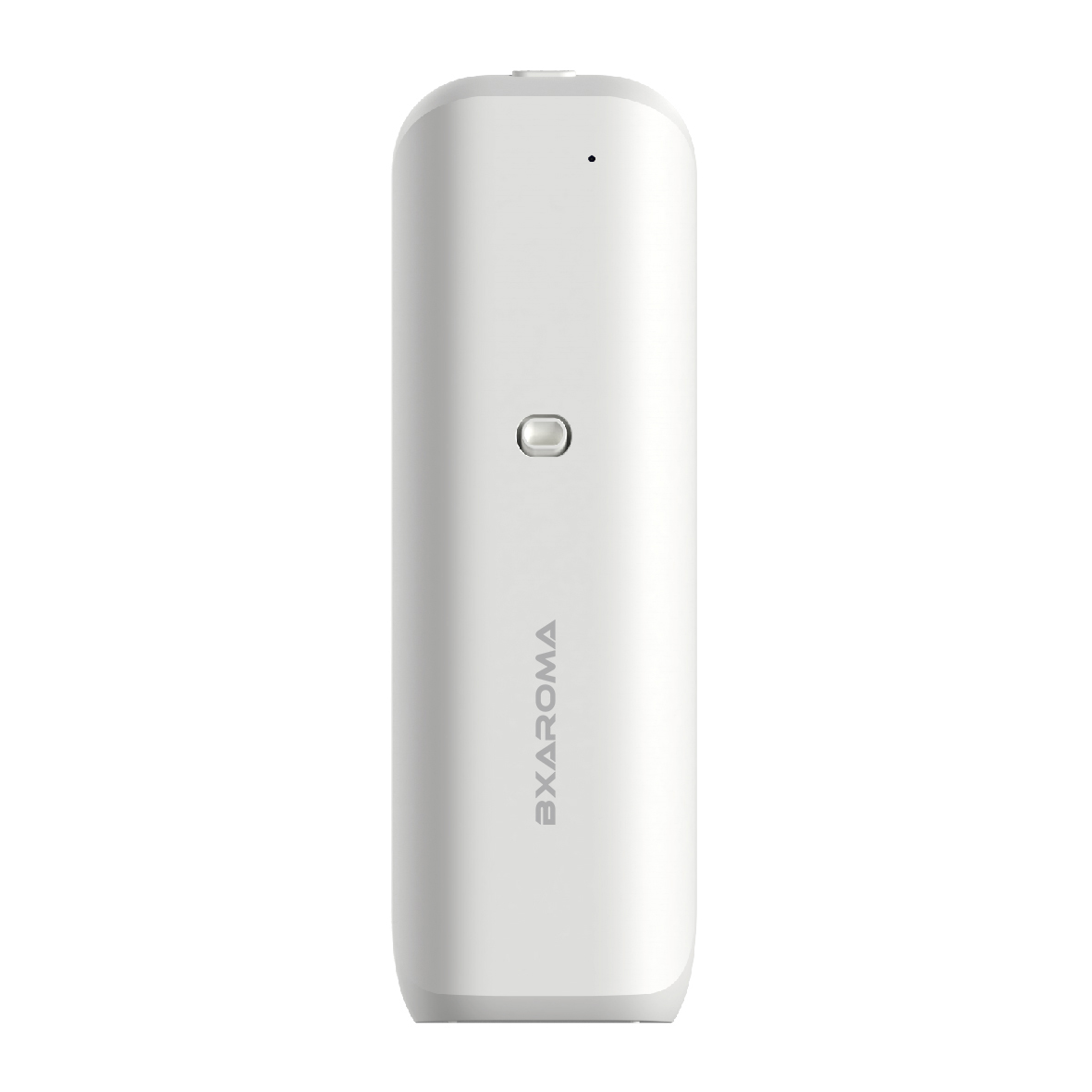
Take a 120 square meter open retail floor with 3 meter ceilings, which is 360 cubic meters. A standalone unit rated near 300 cubic meters would run at its limit, so a model rated for 500 to 600 cubic meters is the safer pick, or two units placed at opposite ends for even throw. A hotel lobby of 200 square meters with 4 meter ceilings is 800 cubic meters and points to a ceiling or HVAC unit rather than a desktop diffuser, because a small device cannot hold concentration across that volume. A small office of 40 square meters at 2.7 meters is about 108 cubic meters and sits comfortably with a compact wall unit, and the home scent diffuser line and battery scent diffuser line cover these smaller zones where a cord or a plug decides the fit. The fragrance oils page lists bottle sizes so you can pair the volume with a refill plan.
Placement height and refill planning
Where you put the unit changes the result as much as the size. Cold-air particles disperse upward and outward, so a device at 1 to 1.2 meters on a console or wall bracket covers breathing level better than one mounted high and aimed down. Keep units away from open windows, direct sun, and heat sources that speed evaporation, and place them where gentle airflow carries the scent rather than where a vent blows it out. Plan refills from the oil consumption rate and the bottle size, because a correctly sized unit still fails if the bottle runs dry between service visits. Baixiang notes the consumption rate for each program so the buyer can set a refill calendar against the bottle capacity.
What Baixiang checks before recommending a unit
Baixiang treats sizing as a site question, not a catalog question, and the team asks for the floor plan, the ceiling heights, the number of zones, and whether HVAC runs on a schedule, because a unit that stops when the air handler sleeps will leave the lobby neutral overnight. For export programs the recommendation also flags the certificate set and the oil consumption rate so the buyer can plan both compliance and refills. Baixiang reviews the ceiling and airflow penalty for every zone rather than trusting the box rating, because that is where most weak-scent projects go wrong. Buyers can review the factory setup, the 80 plus patents and certificates, and the quality system on the about page before they shortlist a model, and the products page gathers the full range so the volume and the type can be matched in one view.
FAQ
Q: Should I size a diffuser by square meters or cubic meters? A: Size by cubic meters, because scent fills air volume and ceiling height changes the job even when the floor area stays the same, so the volume is the number you match to the rated coverage.
Q: How much extra coverage should I plan for high ceilings? A: Add roughly 20 percent to the volume for ceilings above the standard 2.4 meters, open atriums, or strong HVAC return air that dilutes the fragrance faster than a still room.
Q: Is one large diffuser better than several small ones? A: For open single zones one larger unit works, but for corridors, side rooms, or multi-zone sites several smaller units give more even scent and easier control from one schedule.
Q: Do HVAC diffusers cover more than standalone units? A: Yes, an HVAC diffuser pushes fragrance through the ducts and covers a much larger area from one point, which suits hotels, malls, and offices with central air rather than a single room.
Q: How do I know the rated coverage is honest? A: Compare models on the same cubic-meter basis, ask the supplier for the test condition, and size up when your layout has high ceilings, closed doors, or strong airflow that the rating did not assume.
Manufacturer recommendations from Baixiang
- Calculate volume, not just area, and write it down for every zone before you shortlist a model.
- Add 20 percent for high ceilings, atriums, or strong HVAC return air that thins the scent.
- Split multi-zone sites into separate units with separate schedules instead of one oversized machine.
- Match the delivery type to the building, standalone for one room and HVAC for centralized air, then size within that type.
Email Baixiang at bx888@bxaroma.com for a sizing plan based on your floor plan and ceiling heights.