
How to Test an Aroma Diffuser Sample Before Bulk Ordering
Oct. 15, 2026
Before placing a bulk order for aroma diffusers, buyers should test product performance, fragrance consistency, operating noise, controls, maintenance requirements, and packaging under realistic conditions. A sample that works well during a brief demonstration may still reveal problems during extended operation or after installation in a hotel, retail store, office, or other commercial environment. A structured evaluation helps importers, distributors, and private-label brands reduce avoidable quality risks and make a more informed purchasing decision.
For B2B buyers, sample testing should not be limited to checking whether the machine powers on. The goal is to determine whether the selected model meets the intended application, can be produced consistently, and matches the specifications agreed upon with the supplier.
1. Define the Intended Application Before Testing
Start by identifying where and how the diffuser will be used. The testing criteria for a small residential device may differ considerably from those for a hotel lobby, retail chain, office building, or centralized HVAC scenting project.
Record the following requirements before requesting samples:
-
Application: Home, hotel, retail, office, automotive, spa, or another environment.
-
Installation method: Desktop, wall-mounted, portable, or HVAC-connected.
-
Coverage requirement: The approximate area and room layout that the system must serve.
-
Operating schedule: Occasional use, business hours, or extended daily operation.
-
Control requirements: Manual adjustment, Bluetooth, an app, scheduling, or centralized control.
-
Commercial requirements: Target price, packaging, branding, order quantity, and destination market.
These details help the supplier recommend a relevant model rather than a sample that is easy to demonstrate but unsuitable for the final project.
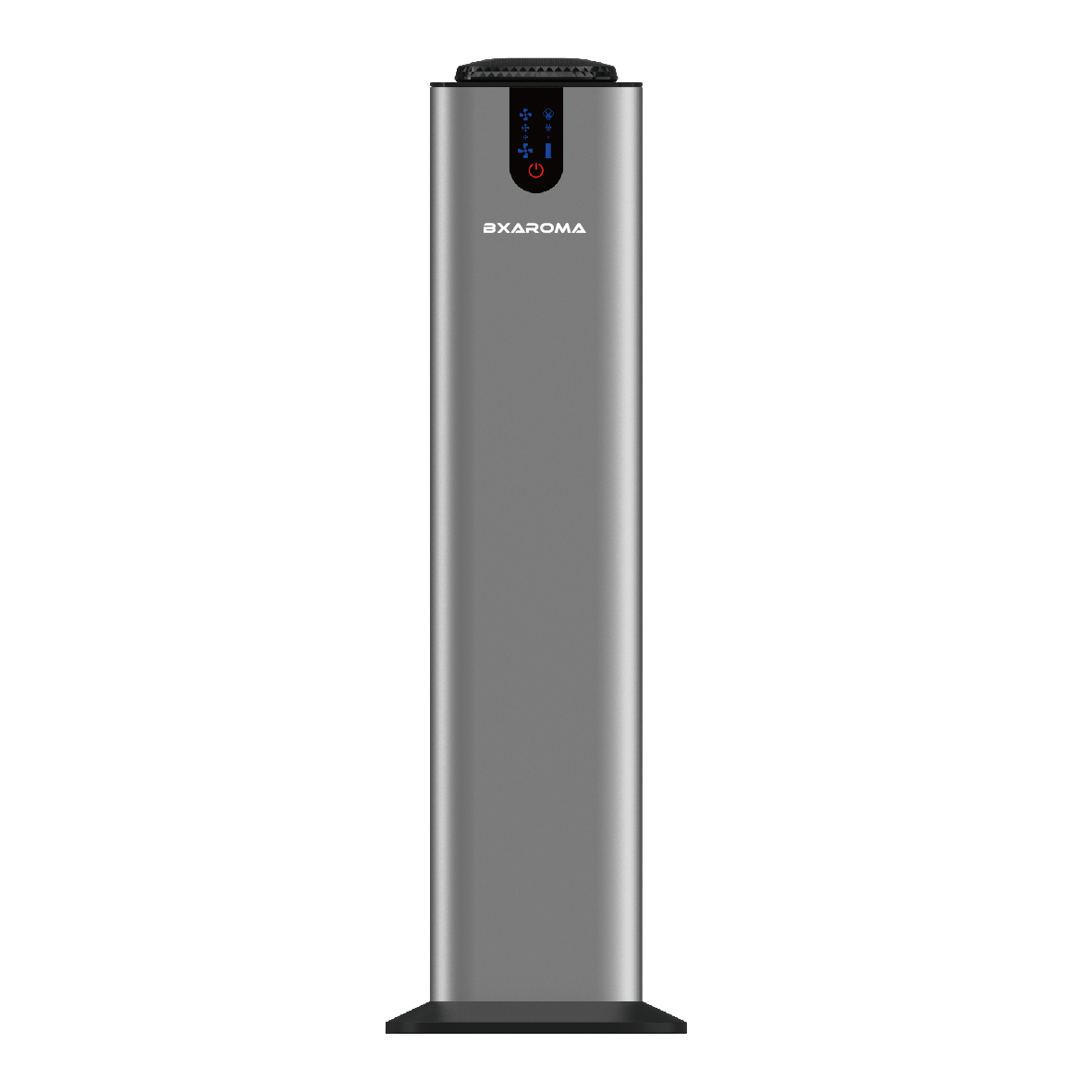
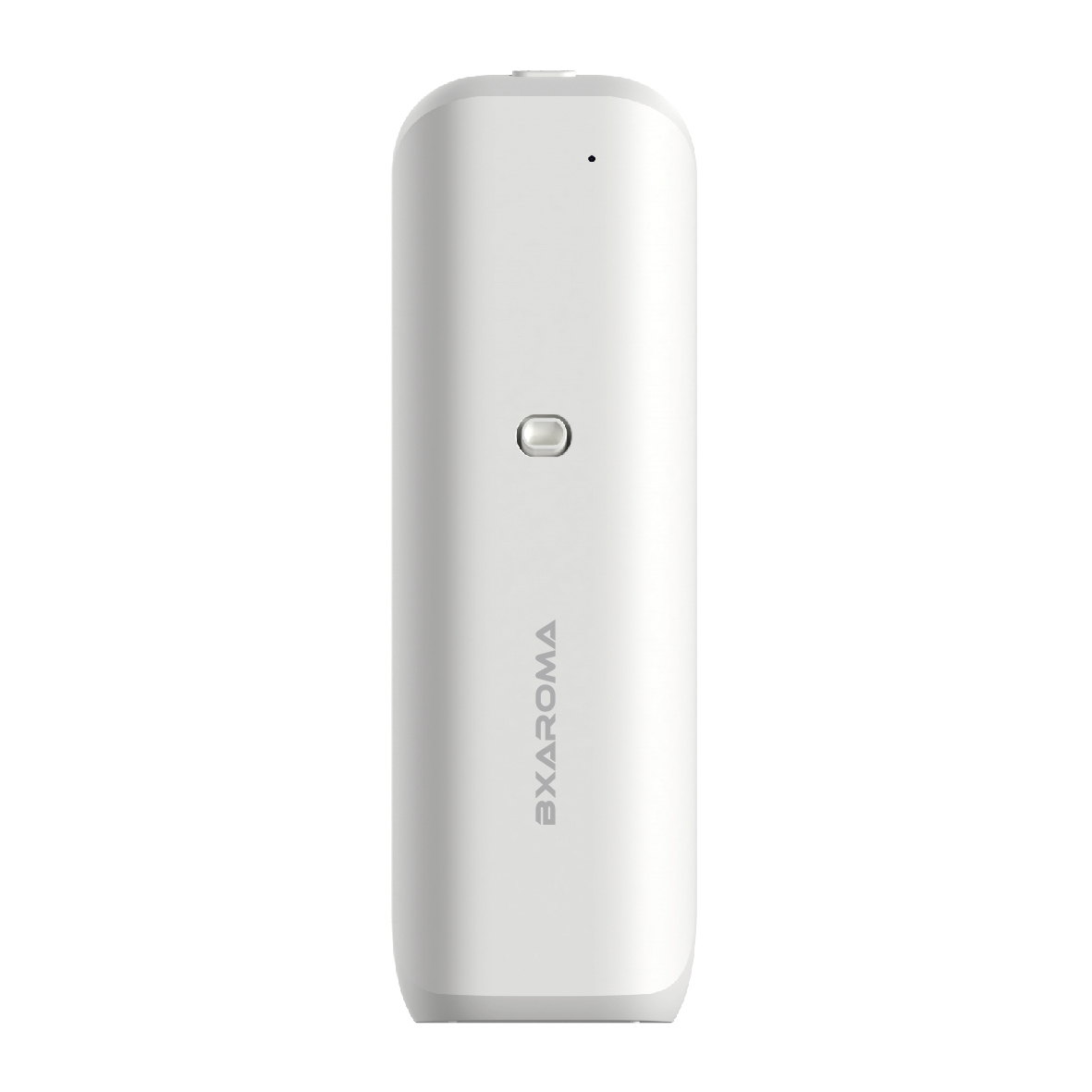
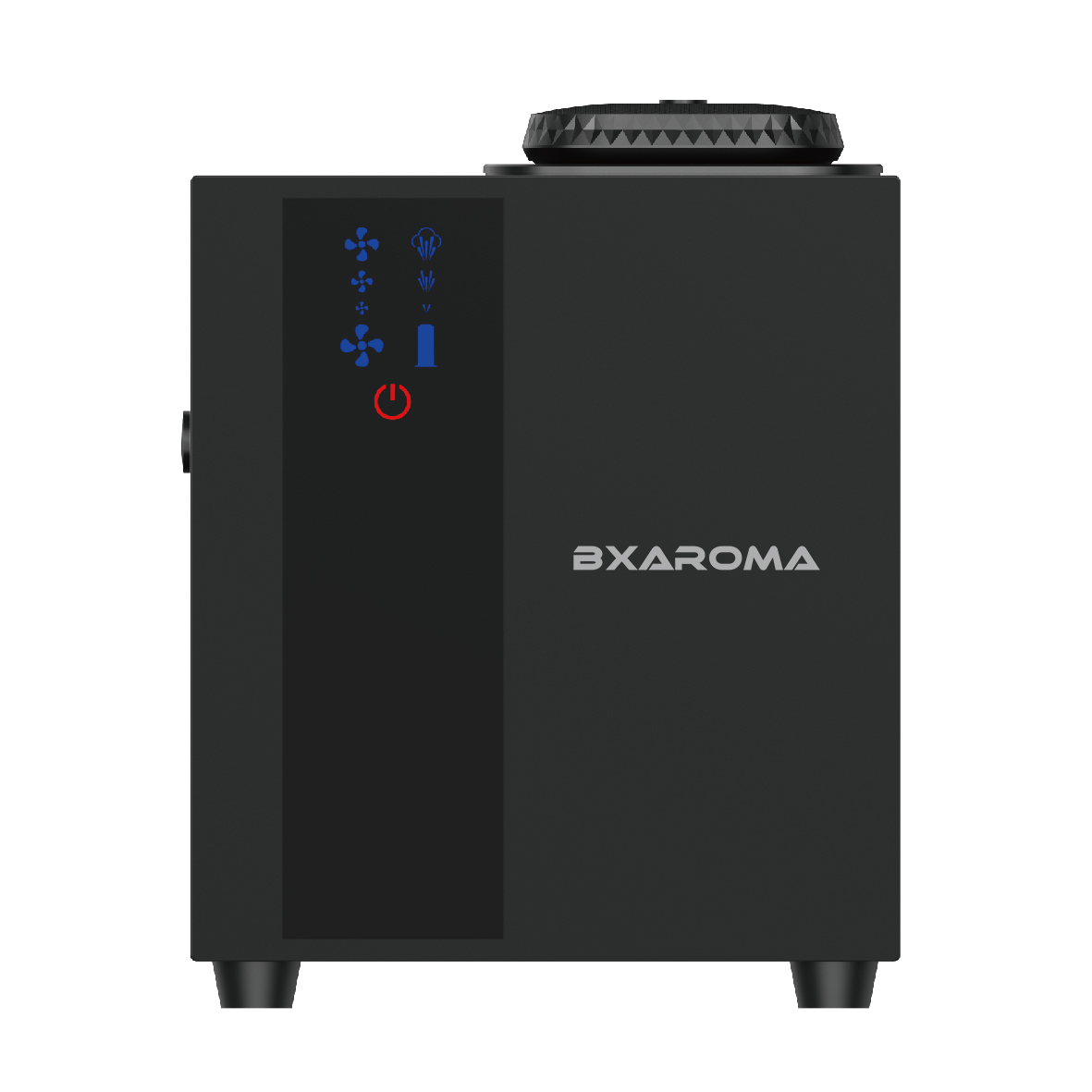
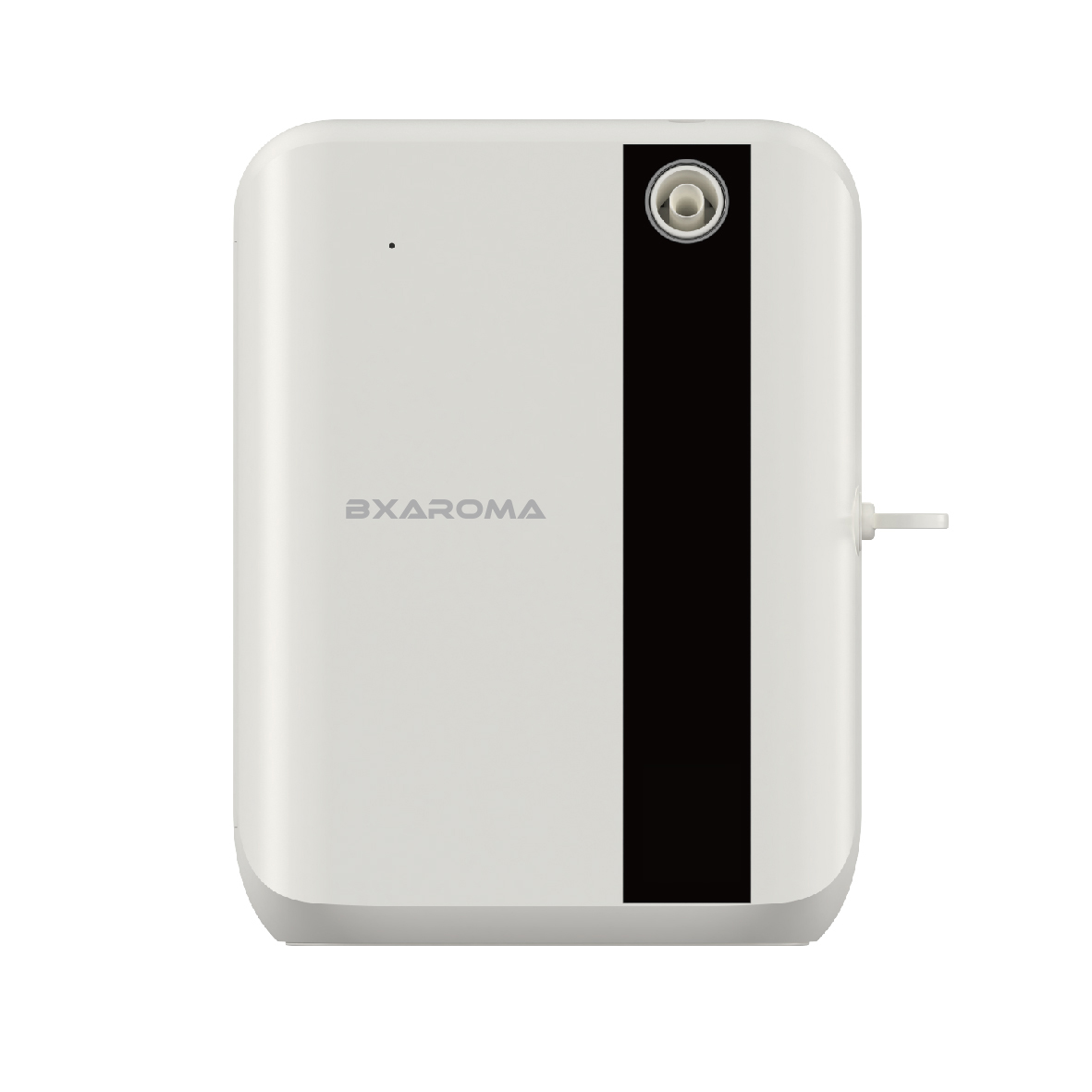
Baixiang offers different diffuser categories for residential and commercial applications. Buyers can review the available options on the Baixiang aroma diffuser product page before confirming which sample to evaluate.
2. Check Fragrance Output in a Realistic Environment
Fragrance performance is one of the most important parts of sample evaluation. However, fragrance perception depends on more than the machine itself. Room size, ventilation, air movement, ceiling height, fragrance formulation, and the location of the diffuser can all affect the result.
During testing, check the following points:
-
Whether the fragrance is perceptible in the intended area.
-
Whether the scent distribution is reasonably consistent across the space.
-
Whether the fragrance becomes excessively strong near the unit.
-
Whether the output remains consistent during extended operation.
-
Whether the selected intensity settings produce useful differences.
-
Whether the machine can operate according to the planned schedule.
Test the diffuser in a space similar to the final installation whenever possible. A small closed room is not a reliable substitute for a ventilated hotel lobby or an open retail environment.
Avoid judging performance only by the strongest setting. Commercial buyers usually need a controllable fragrance experience that suits the space and its occupants.
3. Verify Fragrance Oil Compatibility
Not every fragrance oil is suitable for every diffuser. Before testing, confirm which oil types and viscosity ranges the selected machine supports and whether the supplier recommends specific formulations.
For compatible cold-air atomization systems, buyers should verify that the intended oil can be used without adding water or applying heat, where that is the stated operating method for the model.
During evaluation, observe:
-
Whether the oil feeds and atomizes as expected.
-
Whether fragrance output changes noticeably over time.
-
Whether residue accumulates around the bottle, tubing, or nozzle.
-
Whether the device shows signs of leakage.
-
Whether changing oils requires a cleaning procedure.
-
Whether the supplier provides clear instructions for oil selection and maintenance.
Do not assume that an oil designed for a different diffuser technology will work properly in the sample. Ask the supplier to confirm compatibility in writing, especially when the buyer plans to source fragrance oils separately.
4. Measure Operating Noise and Check the Installation
Noise may be especially important in hotel rooms, reception areas, clinics, offices, spas, and premium retail environments. A device that seems quiet in a busy factory or showroom may sound more noticeable in a quiet room.
Test the diffuser in a representative environment and record the conditions. If a sound meter is available, take readings from a defined distance and under consistent background-noise conditions. Treat the results as comparative measurements unless a recognized testing method and acceptance limit have been agreed upon.
Also check:
-
Whether the machine vibrates against a table or wall.
-
Whether the mounting arrangement is stable.
-
Whether airflow or installation position affects the sound.
-
Whether the device is easy to access for refilling and cleaning.
-
Whether the power adapter, cable, and other supplied accessories suit the installation.
For HVAC-connected equipment, confirm connection requirements, access for servicing, and compatibility with the planned air-distribution system before approving the sample.
5. Test Controls, Scheduling, and Daily Operation
The control system should match the needs of the intended users. A simple diffuser may be suitable for a small shop, while a multi-location business may require scheduled operation or remote adjustment.
Evaluate the functions included in the quoted model rather than assuming every model offers the same features.
| Test item | What buyers should verify |
|---|---|
| Start and stop | The device starts and stops reliably |
| Intensity adjustment | Settings produce practical changes in output |
| Scheduling | Programmed operating periods work as expected, if supported |
| App or Bluetooth | Pairing, access, and basic controls work on supported devices |
| Power recovery | Behavior after power interruption is understood |
| User instructions | Setup and daily operation are clear |
| Maintenance access | Refilling and routine cleaning are manageable |
If the supplier offers app customization, ask whether it affects the user interface only or also includes changes to functions. Record the approved functions in the purchase specification.
6. Check Materials, Assembly, and Maintenance
A sample should also be inspected for visible manufacturing and usability issues. Examine the housing, seams, controls, connectors, fasteners, bottle installation, and packaging.
Look for uneven assembly, loose parts, damaged surfaces, unclear markings, or components that are difficult to remove for routine maintenance.
Ask the supplier for the recommended maintenance procedure and replacement-part information. Confirm which parts are considered consumables and whether cleaning materials or tools are required.
If the intended order is large, discuss how the supplier controls product consistency between production batches. Ask which inspection records can be provided and what happens if incoming goods fail the agreed acceptance criteria.
7. Evaluate the Sample Against a Written Checklist
A written checklist is more useful than relying on a general impression after testing. It also creates a common reference for the buyer, supplier, quality team, and purchasing department.
| Evaluation category | Evidence to record |
|---|---|
| Product identity | Model number and revision |
| Performance | Test environment, settings, and observations |
| Fragrance oil | Type tested and compatibility confirmation |
| Controls | Functions tested and results |
| Noise | Measurement method and test conditions, if measured |
| Physical condition | Photos of the sample and any defects |
| Accessories | Power supply, cables, mounting parts, and manuals |
| Packaging | Protection, labels, and carton condition |
| Documentation | User manual and applicable compliance documents |
| Approval status | Accepted, rejected, or accepted with changes |
Set acceptance criteria before the test where possible. If the supplier and buyer agree that a particular function, accessory, finish, or packaging detail is mandatory, record it in the approved specification rather than leaving it in an informal message.
8. Confirm That the Bulk Order Matches the Approved Sample
Sample approval is only useful when it is linked to the final purchase order. Buyers should confirm that the approved model, materials, firmware or control functions where relevant, accessories, packaging, and labeling will be used for mass production.
Before paying a production deposit, confirm:
-
The exact model and specification.
-
The approved sample or reference photos.
-
The order quantity and any minimum order requirements.
-
Custom logo and packaging files.
-
Applicable product documentation for the destination market.
-
The inspection method and defect-handling procedure.
-
Production lead time, shipment terms, and warranty conditions.
For private-label projects, also approve the final artwork and manual before production. A technically acceptable diffuser can still create delays if its packaging, labels, or instructions are incorrect.
Common Mistakes When Testing Aroma Diffuser Samples
Testing for too little time: A brief power-on check may not reveal problems that appear during extended operation. Include a longer run test appropriate to the intended use.
Using an unrealistic room: A small enclosed room may make fragrance seem stronger than it would in a ventilated commercial space.
Changing several variables at once: Keep the oil, settings, room conditions, and test duration consistent when comparing models.
Ignoring maintenance: A diffuser that is difficult to refill or clean can create avoidable operating work after installation.
Approving a sample without a written specification: Informal approval can lead to disputes about accessories, functions, finishes, or packaging in the bulk order.
Assuming certification applies to every model: Request documentation for the exact product and destination market. Confirm whether the documents cover the relevant model and configuration.
Frequently Asked Questions
How many aroma diffuser samples should a buyer test?
The number depends on the order size, product range, customization level, and risk tolerance. For a straightforward order, one representative sample may help assess basic suitability; larger or customized projects may require additional samples or production-stage inspections.
Should buyers test the diffuser with their own fragrance oil?
Yes, if they intend to use a separately sourced oil. First obtain written compatibility confirmation from the supplier, then test the intended oil under realistic operating conditions.
Does a successful sample guarantee bulk-order consistency?
No. Sample testing evaluates the sample itself. Buyers should also agree on production specifications, inspection procedures, defect handling, and how changes to the approved design will be controlled.
What should be included with a diffuser sample?
Confirm the product, power supply, required accessories, user manual, and any relevant product documentation. For customized projects, also request the proposed logo placement, packaging design, and applicable labeling information.
Can aroma diffusers be customized for private-label orders?
Baixiang lists customization services for items such as logos, colors, packaging, user manuals, and selected app or machine functions. Availability and requirements depend on the model and order conditions, so buyers should confirm details directly with the supplier.
Test Before You Commit to a Bulk Order
A structured sample evaluation helps buyers compare products fairly, identify operational issues early, and document the requirements for mass production. The best purchasing decision is based on application suitability, test results, clear specifications, and supplier communication—not appearance alone.
Baixiang supplies aroma diffusers for commercial and residential scenting applications and offers customization services for qualified projects. To discuss sample evaluation, wholesale purchasing, or private-label requirements, contact Baixiang at bx888@bxaroma.com or visit www.bxscent.com.