
What Should Buyers Check When Sourcing Private Label Aroma Diffusers?
Oct. 27, 2026
When sourcing private label aroma diffusers, buyers should evaluate more than the unit price and logo-printing options. A reliable sourcing process should confirm the product model, customization scope, packaging, user manuals, applicable compliance documents, minimum order quantity, quality-control procedures, and after-sales arrangements before production begins. These checks help distributors, retailers, fragrance brands, and e-commerce businesses reduce avoidable delays and build a product offering that fits their target market.
Baixiang provides customization options that may include logos, machine colors, packaging, user manuals, app interfaces, and selected machine functions. Buyers can review the available services on the Baixiang customization service page and confirm the options available for their chosen model.
1. Choose a Diffuser Type That Fits Your Market
The first decision is the product category. A private-label project should start with a clear target customer and application rather than choosing a machine solely because its appearance is attractive.
Common product categories include:
-
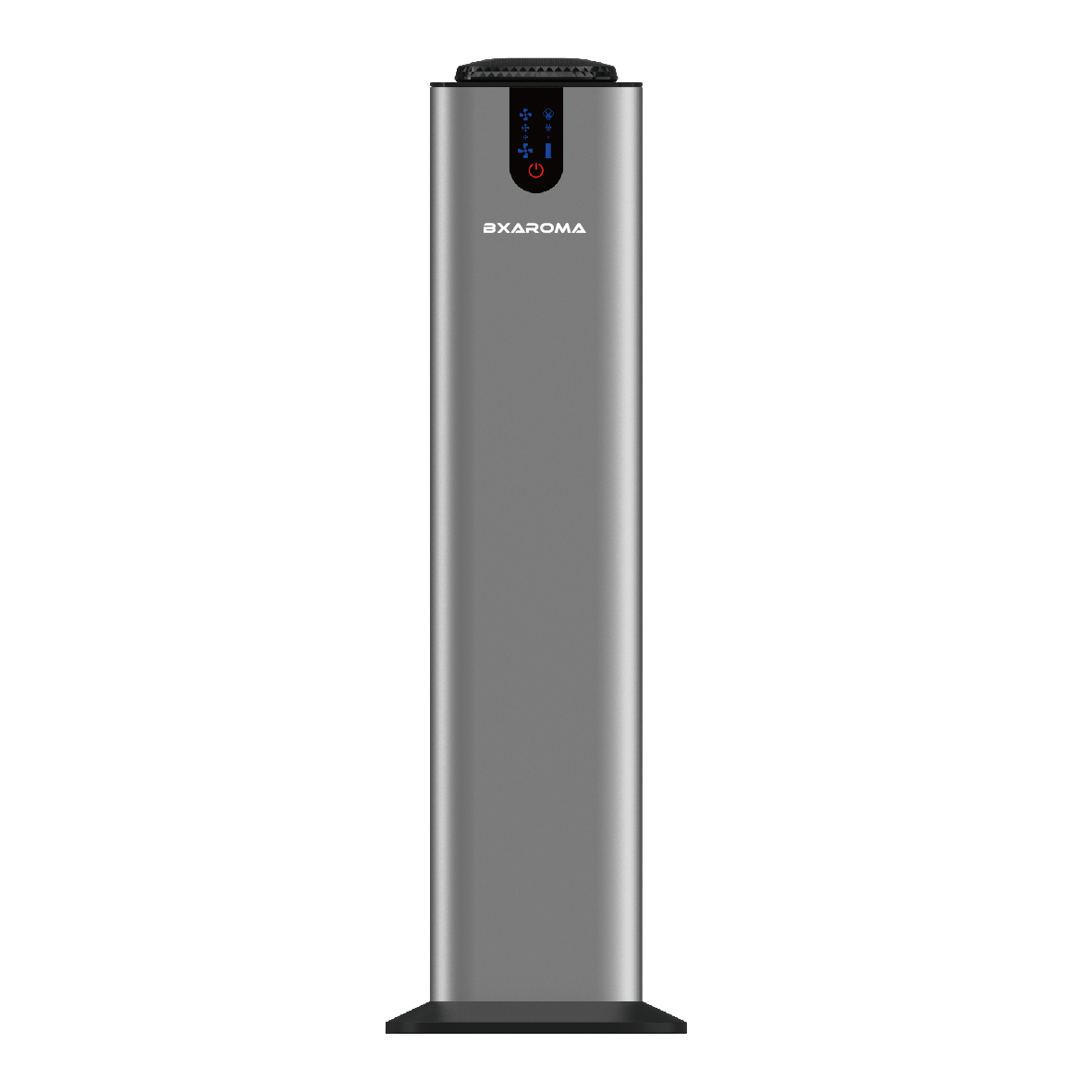
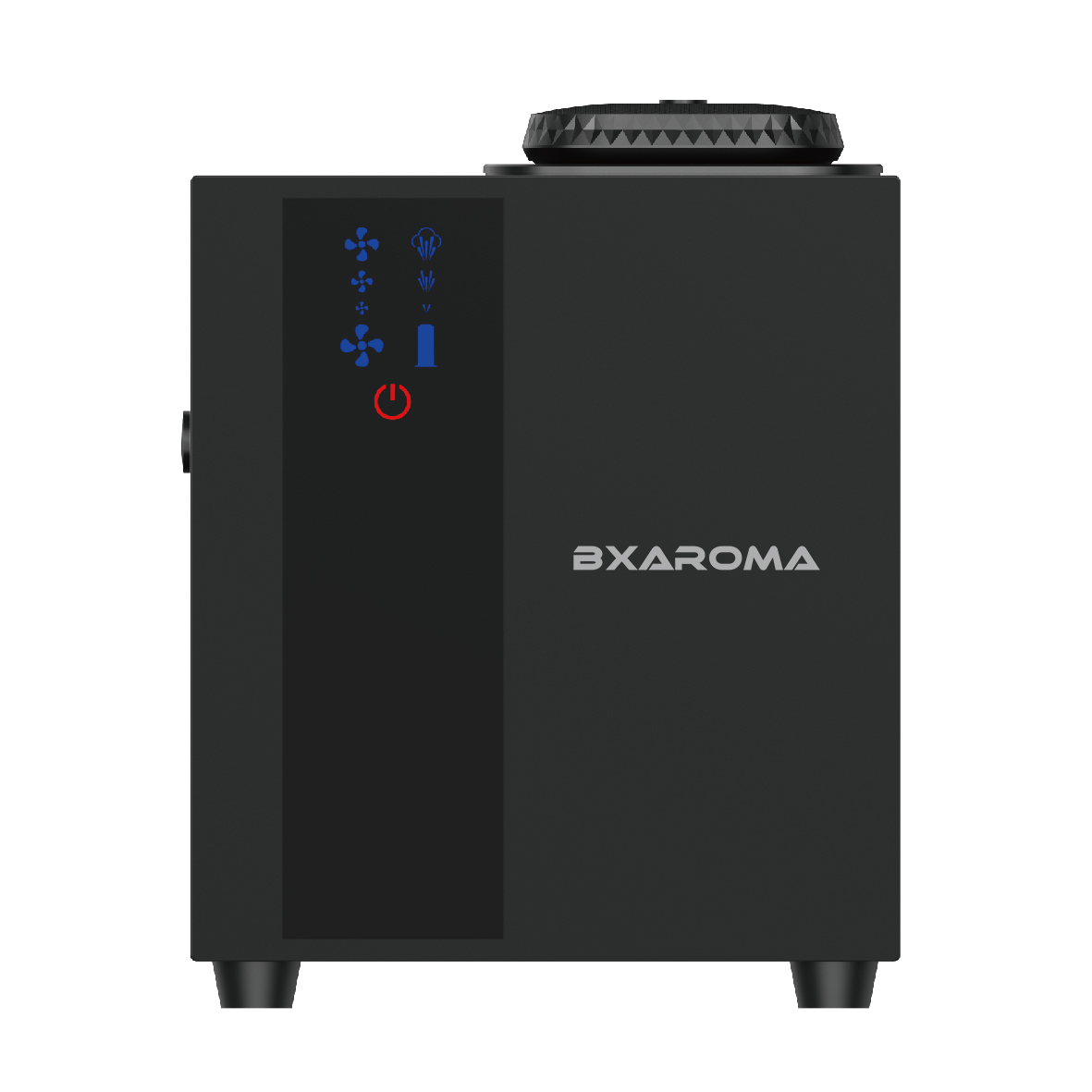
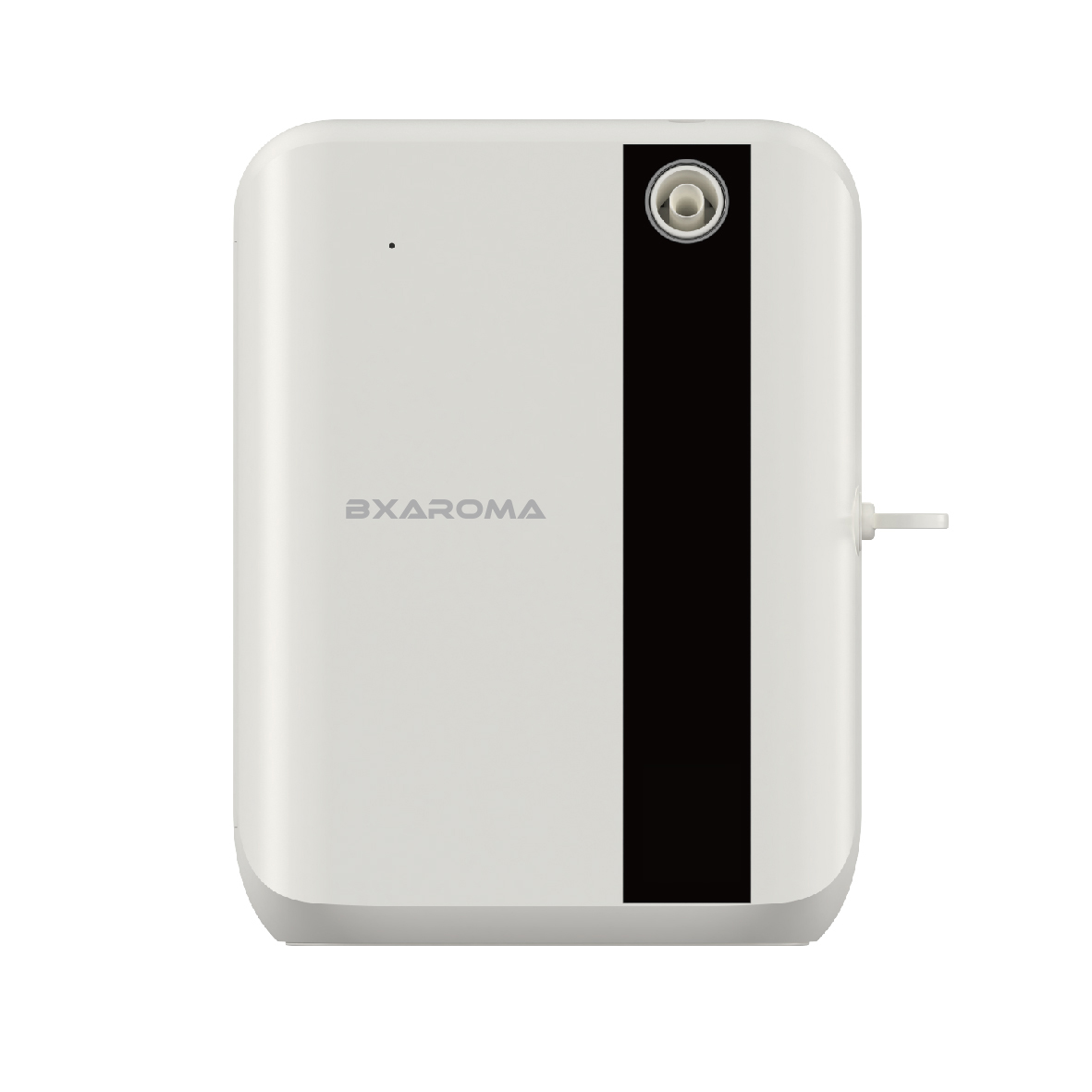
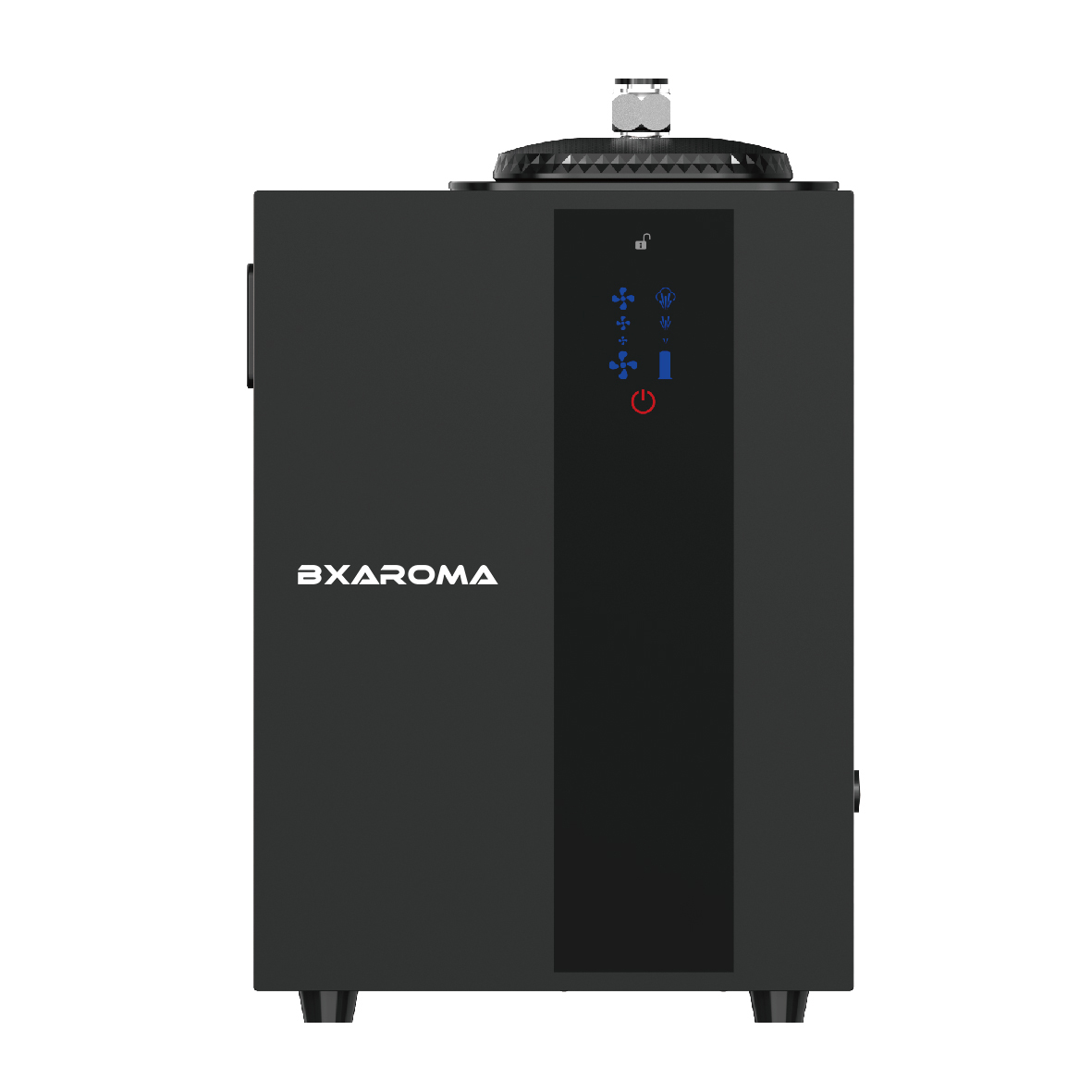
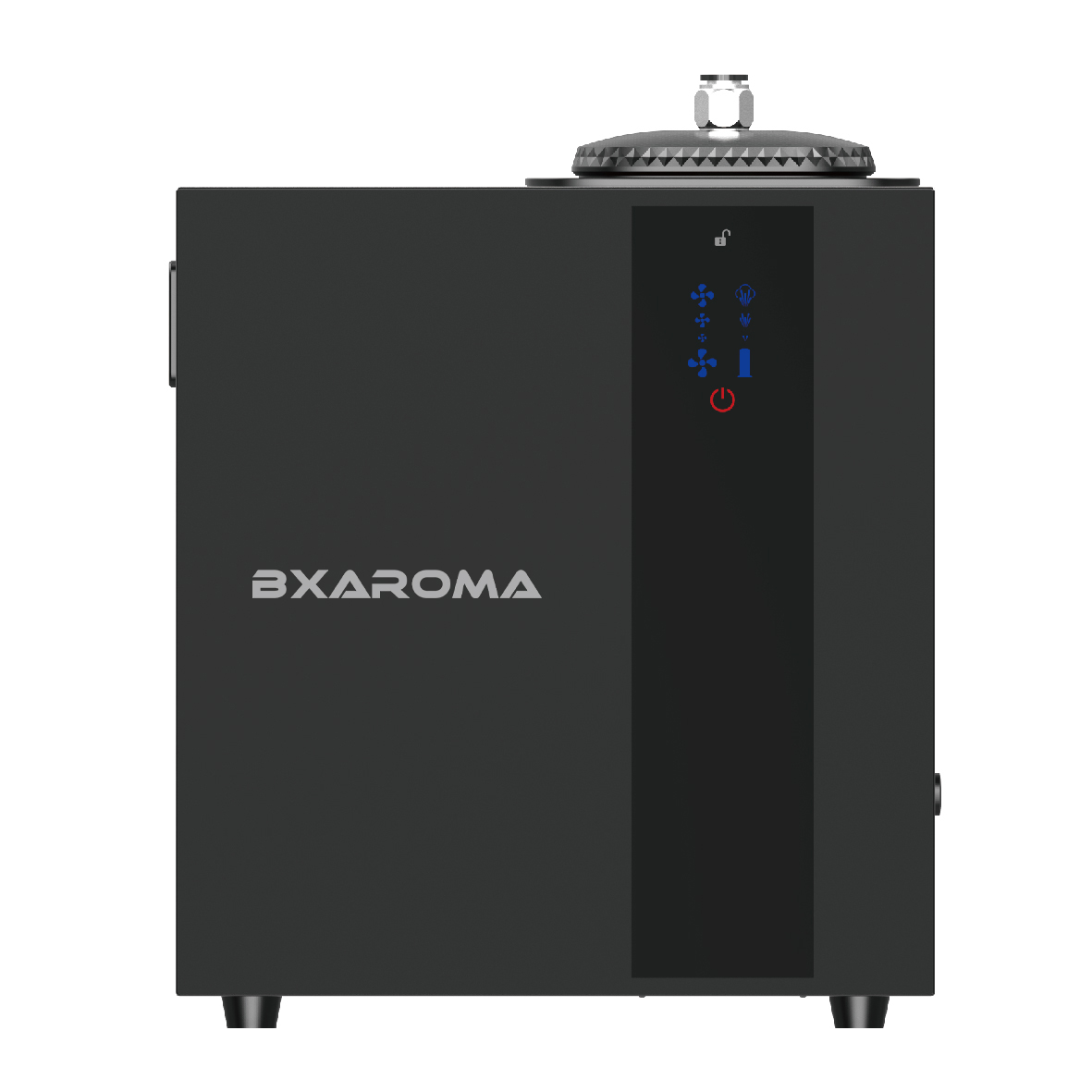
Commercial aroma diffusers: For shops, offices, showrooms, restaurants, and other commercial spaces.
-
Hotel scent diffusers: For lobbies, reception areas, corridors, and hospitality projects.
-
HVAC scent diffusers: For projects that require fragrance distribution through a compatible air-handling system.
-
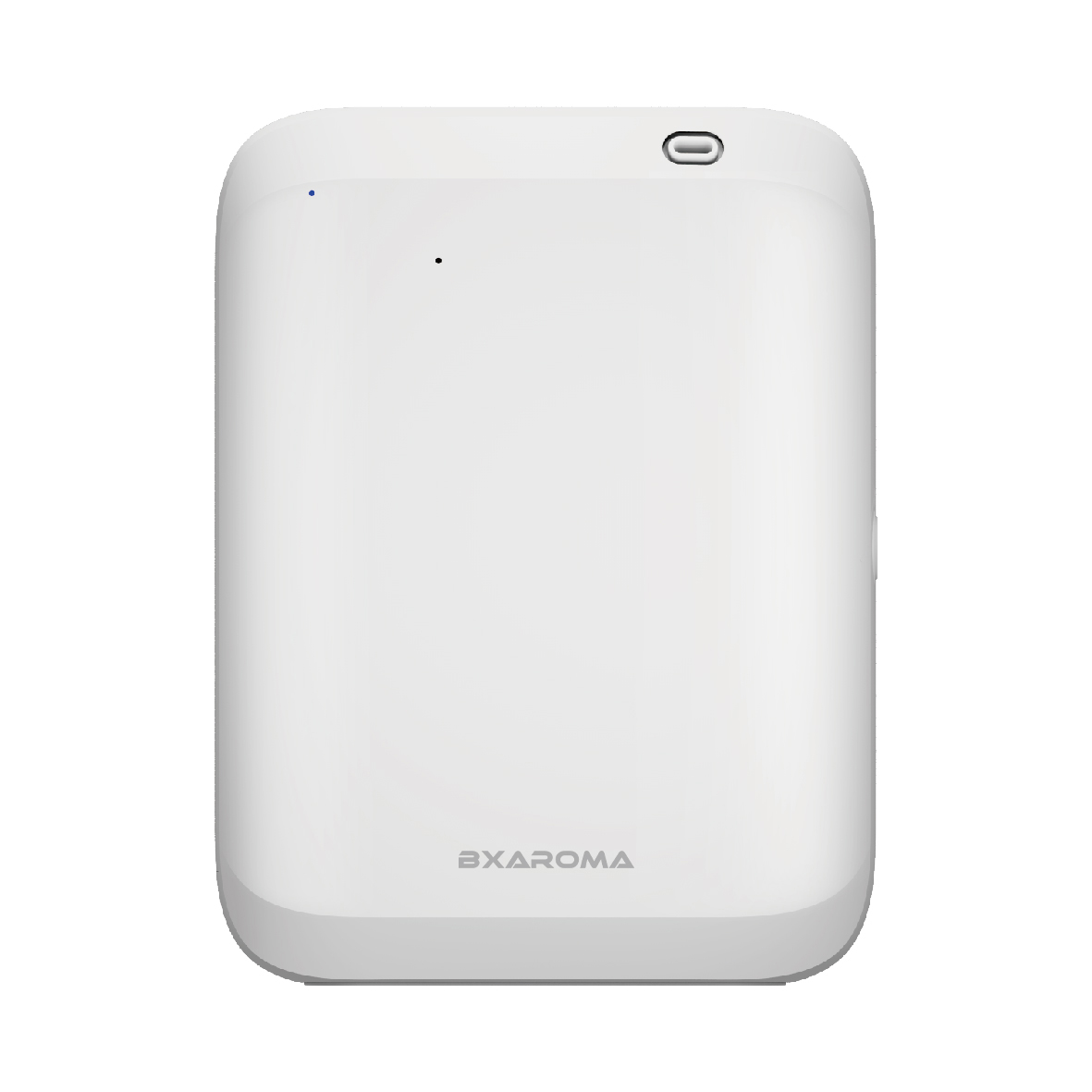
Home aroma diffusers: For residential use and home-fragrance retail channels.
-
Car aroma diffusers: For automotive accessory retailers and related distribution channels.
-
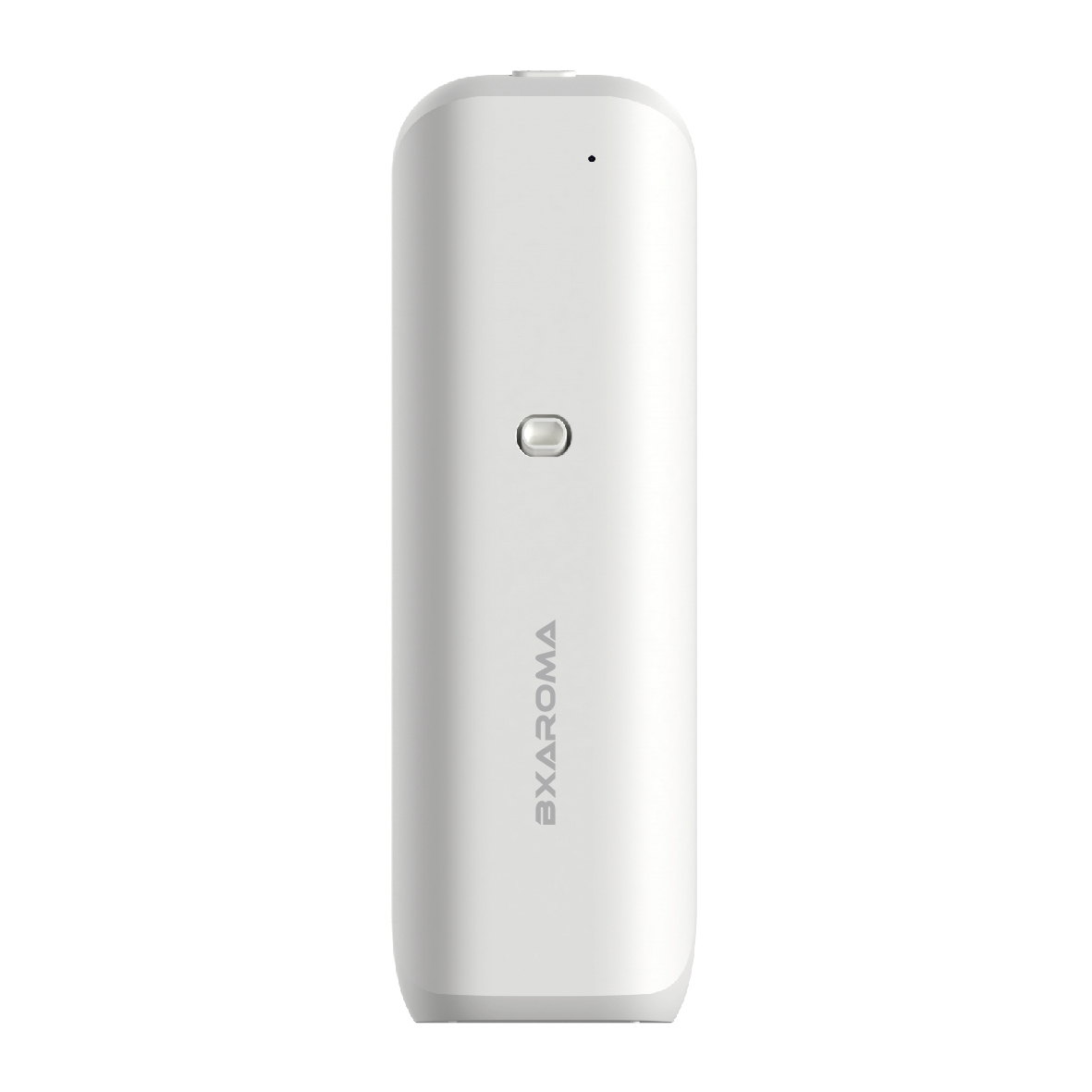
Portable aroma diffusers: For customers who need flexible placement or portable use.
These categories have different installation, capacity, control, and maintenance requirements. A distributor targeting hotels may prioritize commercial operation and servicing, while a retailer selling home-fragrance products may focus more on product appearance, packaging, and ease of use.
Review the available categories on the Baixiang aroma diffuser product page, then shortlist models according to your target market, expected selling price, and intended application.
2. Define the Customization Scope in Writing
“Private label” can describe several different arrangements. Some buyers need only a printed logo, while others require branded packaging, translated manuals, customized colors, or changes to selected product functions.
Before requesting a quotation, identify which elements must be customized.
| Customization item | What buyers should confirm |
|---|---|
| Machine logo | Placement, size, color, printing method, and artwork format |
| Housing color | Available finishes, color references, and whether a custom finish has MOQ requirements |
| Retail packaging | Box dimensions, artwork, materials, inserts, and barcode requirements |
| User manual | Languages, safety instructions, contact details, and product information |
| Product labels | Model information, warnings, importer details, and required market markings |
| App interface | Branding options, supported functions, and any development costs |
| Machine functions | Available options, technical feasibility, and validation requirements |
| Accessories | Included parts, optional accessories, and packaging configuration |
Not every model necessarily supports every option. Ask the manufacturer to distinguish standard customization from engineering changes or private-mold development.
For example, changing a printed logo is different from modifying a control system or developing a new housing. These requirements can affect cost, lead time, testing, and minimum order quantity.
3. Understand MOQ, Tooling Costs, and Total Project Cost
The lowest quoted unit price does not always represent the lowest total cost. A private-label project may include product charges, artwork preparation, packaging development, sample fees, tooling, testing, and shipping.
Ask the supplier to separate these costs in the quotation:
-
Unit price at each proposed order quantity.
-
Minimum order quantity for the standard product.
-
Additional MOQ for custom colors or packaging.
-
Sample and sample-shipping costs.
-
Artwork, engineering, or tooling charges, if applicable.
-
Packaging and accessory costs.
-
Inspection, certification, or testing charges, if applicable.
-
Production lead time and shipping terms.
Compare quotations using the same product configuration. One supplier may include branded packaging and a power adapter, while another may quote the machine only. Without a consistent specification, the prices are not directly comparable.
Also ask whether one-time customization costs can be reused for repeat orders and whether the supplier requires new approval if the artwork, packaging, or product specification changes.
4. Verify Compliance Documents for the Destination Market
Product compliance is a critical part of private-label sourcing. The documents required for sale can vary by product design, electrical configuration, radio functions, destination country, and intended use.
Before placing the order, identify the countries where the product will be sold and ask which documents apply to the exact model.
Depending on the product and market, relevant documentation may include:
-
Applicable electrical or product-safety reports.
-
EMC or radio-related documentation for relevant electronic functions.
-
Material or chemical documentation where required.
-
Product labels and warning information.
-
User manuals and installation instructions.
-
Warranty terms and traceability information.
Baixiang's website refers to standards and documentation including CE, FCC, EMC, and RoHS for relevant products. Buyers should request the actual documents and confirm their scope, validity, model coverage, and applicability to the intended market rather than assuming that every product configuration carries every certification.
Private labeling can also create responsibilities for the brand owner or importer. Check local requirements before finalizing labels and manuals, and obtain professional compliance advice when necessary.
5. Approve Packaging and User Manuals Before Mass Production
Packaging is part of the customer experience and can affect product protection, shipping costs, and retail presentation. It should be treated as a formal production deliverable rather than an afterthought.
Review the packaging artwork for:
-
Correct brand name and logo.
-
Accurate model number and product images.
-
Correct specifications and included accessories.
-
Required warnings and market-specific information.
-
Barcode and SKU placement.
-
Appropriate language and readable text.
-
Adequate protection for the machine and accessories.
Ask for a final digital proof before authorizing printing. For higher-risk projects, consider reviewing a physical packaging sample.
The user manual should match the actual product configuration. It should explain setup, controls, supported fragrance oils, routine cleaning, troubleshooting, and any relevant safety precautions. If the manual is translated, have the translation reviewed before production instead of relying solely on automated translation.
A mismatch between the manual and the delivered product can increase support requests and create avoidable returns.
6. Establish Quality-Control Requirements
Private-label buyers should agree on quality requirements before the order enters production. This is particularly important when the product will carry the buyer's own brand.
Define which features must be checked and how nonconforming products will be handled.
| Inspection area | Suggested verification |
|---|---|
| Product identity | Model, revision, and configuration match the approved specification |
| Appearance | Color, surface finish, logo placement, and visible defects |
| Function | Startup, controls, settings, and supported functions |
| Fragrance output | Operation with an approved compatible oil under defined conditions |
| Accessories | Correct power supply, cables, mounting parts, and included items |
| Packaging | Correct artwork, labels, inserts, and protection |
| Documentation | Approved manual, labels, and applicable product documents |
| Quantity | Order quantity and carton markings match the purchase order |
The buyer and supplier should agree on inspection timing, sampling methods, acceptance criteria, and the procedure for resolving defects. Avoid using vague terms such as “good quality” without defining what will actually be checked.
For customized products, retain the approved sample, artwork, and final specification as reference records for future orders.
7. Confirm After-Sales Support and Spare Parts
After-sales support matters because the private-label buyer may be the first contact when an end customer reports a problem. A supplier should be able to explain how technical questions, warranty claims, and replacement parts will be handled.
Ask the manufacturer to clarify:
-
Warranty duration and coverage.
-
Exclusions and the process for submitting a claim.
-
Availability of replacement parts.
-
Troubleshooting instructions and technical support channels.
-
Whether firmware, app, or control-system support applies to the selected model.
-
Expected response procedures for quality complaints.
Baixiang's company information describes a 12-month warranty and technical support. Buyers should confirm the precise terms for the quoted model and order in writing before committing to a purchase.
Also consider the expected service life, cleaning requirements, and availability of consumable components. These factors can influence the total cost of ownership and customer satisfaction after the initial sale.
8. Prepare a Private Label Purchase Specification
A written specification brings the product, branding, packaging, and commercial terms together. It reduces the risk that the buyer and manufacturer interpret the order differently.
Before issuing the purchase order, confirm the following:
-
Selected model and approved configuration.
-
Intended application and destination market.
-
Required product functions and control method.
-
Logo artwork and color specifications.
-
Packaging design, quantity, and materials.
-
Manual languages and final approved files.
-
Applicable compliance documents and labels.
-
MOQ, pricing, payment terms, and lead time.
-
Quality-inspection requirements and acceptance criteria.
-
Warranty, replacement parts, and after-sales support.
For orders involving multiple models, prepare a separate specification for each configuration. This helps prevent accessories, packaging, manuals, or labels from being mixed between products.
Common Mistakes When Sourcing Private Label Aroma Diffusers
Choosing based on price alone: A low unit price may exclude packaging, customization, accessories, or other project costs.
Assuming every model supports the same customization: Logo printing, custom colors, app changes, and private-mold development have different technical and commercial requirements.
Approving artwork too late: Late changes can delay production or lead to printed packaging that cannot be used.
Accepting general certification claims: Buyers should verify documents for the exact model and destination market.
Failing to retain an approved sample: Without a reference sample and written specification, it becomes harder to resolve disagreements about product appearance or function.
Ignoring after-sales arrangements: A private-label brand needs a clear process for warranty claims, technical questions, and replacement parts.
Frequently Asked Questions
What is the difference between OEM and private-label aroma diffusers?
Private-label projects commonly involve selling an existing manufacturer's product under the buyer's brand, with agreed branding and packaging changes. OEM arrangements may include a broader scope of customization or product development, depending on the supplier's capabilities and the agreement.
Can buyers customize both the machine and its packaging?
Customization depends on the selected model and order requirements. Baixiang lists services such as logo printing, selected color finishes, packaging, user manuals, and certain app or machine customizations. Confirm availability, MOQ, costs, and lead time before ordering.
What information should I provide to request a private-label quotation?
Provide the target product category, intended application, order quantity, destination country, required branding, packaging needs, manual languages, and any specific technical or compliance requirements. This helps the supplier prepare a more relevant quotation.
Should buyers order samples before mass production?
Yes. Samples allow buyers to assess appearance, functionality, fragrance output, controls, and packaging before approving a larger order. Customized projects should also confirm the final artwork and specifications before production begins.
How can buyers reduce risks when changing suppliers?
Start with a documented specification, evaluate a representative sample, verify applicable product documents, and agree on inspection and warranty procedures. For repeat orders, require the supplier to notify the buyer of relevant product or material changes before implementation.
Source Private Label Aroma Diffusers with Clear Specifications
A successful private-label project combines a suitable product, realistic customization requirements, compliant documentation, approved packaging, and a defined quality-control process. Buyers who settle these details before production are better positioned to manage costs, protect their brand reputation, and plan repeat orders.
Baixiang offers aroma diffuser products and customization services for distributors, fragrance brands, and other B2B customers. To discuss private-label options, packaging requirements, or wholesale orders, contact Baixiang at bx888@bxaroma.com or visit www.bxscent.com.