
Why Does a Commercial Scent Diffuser Stop Producing Scent
Oct. 08, 2026
In most commercial installations the machine is not the fault. A clogged atomizer, a dried oil film or a restricted air path explains most weak-output complaints, and a ten to fifteen minute alcohol flush clears it without any parts. Open a warranty claim only after the pump fails a pressure test, because that is where cleaning stops working and replacement becomes cheaper. Apply the same distinction before you buy: the A1000 and A3000 publish pump life and consumption on the parameter sheet, and those two numbers predict downtime better than a feature list.
In short: clean the atomizer and clear the air path first. If the pump still cannot build pressure when the outlet is blocked, the fault is mechanical and cleaning will not recover it.
Which failure are you actually looking at?
Commercial diffusers fail in a small number of repeatable ways, and the symptom usually tells you where to look before you open anything.
|
Symptom |
Most likely cause |
First check |
When to stop and escalate |
|
No mist, pump audible |
Blocked nozzle or hardened oil film |
Pressure test at the outlet, then an alcohol flush |
Pressure is absent at the outlet |
|
Scent weaker than last month |
Oil film on the atomizer, or a schedule that drifted |
Consumption log against the rated g/h figure |
Consumption is normal but output still reads low |
|
Oil pooling under the unit |
Bottle collar seal worn, or the bottle was overfilled |
Collar seal and thread condition |
Body seam or internal fitting is leaking |
|
Louder than usual |
Pump working against a restriction, or a loose mount |
Air inlet and fan guard for dust |
Noise persists after the path is cleared |
|
Scent only near the unit |
Undersized coverage for the actual volume |
Rated coverage against measured floor area |
Coverage matches but distribution is still uneven |
Matching the symptom first avoids the most common wasted service visit: a technician sent to replace a pump on a machine that needed a flush.
How do you tell a clogged atomizer from a dead pump?
Run a pressure test before ordering any part. With the bottle seated and the unit running, cover the mist outlet firmly with a finger for a few seconds and release. A clear pulse of released pressure means the pump is doing its job and the blockage is downstream in the atomizer. No pressure at all points to the pump or to an internal air leak, and no amount of cleaning will fix either.
If pressure is present, flush rather than scrub. Decant the remaining oil into a sealed glass container, fill a service bottle with high-concentration isopropyl alcohol, seat it, and run the unit continuously for ten to fifteen minutes. Listen for the pump pitch to change, which usually signals that the restriction has cleared. Remove the alcohol, let the nozzle air dry, and reconnect the fragrance bottle. Scrubbing a nozzle with anything hard turns a cleanable blockage into a replacement.
How often should a commercial diffuser actually be cleaned?
Intervals follow duty cycle rather than the calendar. A lobby unit running twelve hours a day on a woody base needs attention far sooner than a retail unit running four hours on a citrus blend.
|
Operating pattern |
Atomizer and nozzle |
Air inlet and fan |
Oil path and bottle collar |
|
Short daily blocks, light citrus or oceanic oil |
Every four to six weeks |
Every two months |
Every bottle change |
|
Full business hours, mixed scent families |
Every two to three weeks |
Monthly |
Every bottle change |
|
Continuous or near-continuous, woody or resinous oil |
Weekly |
Every two weeks |
Weekly seal check |
|
HVAC duct injection at high duty |
Per the commissioning schedule |
Quarterly duct fitting inspection |
Quarterly tubing and fitting check |
Whichever row applies, keep a consumption log. When oil use drops while occupancy stays flat, that is the earliest sign the feed path is restricting, and it appears well before anyone complains.
When is repair worth it and when should you replace the unit?
This decision carries real budget consequences on a multi-site rollout, so set the rule before something breaks.
|
Condition |
Repair |
Replace |
|
Blockage that clears with an alcohol flush |
Yes, no parts needed |
Not applicable |
|
Worn bottle collar or seal on an otherwise sound unit |
Yes, lowest-cost fix |
Only if the part is not stocked |
|
Atomizer permanently blocked after flushing |
Yes if the core is a stocked spare |
Yes if the model has no spare supply |
|
Pump cannot build pressure, unit under two years old |
Usually, under warranty |
If repair exceeds roughly a third of replacement |
|
Pump failed, unit past its rated pump life |
Rarely economical |
Yes, and review the duty cycle at the same time |
|
Repeated failures across several units |
Investigate oil and schedule first |
Yes, the specification is wrong for the application |
A unit whose pump has reached the end of its rated life is almost never worth repairing, because the replacement pump inherits the duty cycle that wore out the first one. The useful question is whether the machine was ever specified for the hours it runs.
What should you check on the spec sheet before a failure happens?
Most service calls trace back to a specification gap rather than a defect. These are the lines worth reading before you sign.
|
Line on the spec sheet |
Why it matters in service |
What to ask the supplier |
|
Rated pump or atomizer life in hours |
Sets your realistic replacement cycle |
Is the figure a test result or a component rating |
|
Measured oil consumption with a tolerance |
Turns maintenance into a predictable schedule |
Is consumption stated per hour with a tolerance |
|
Tank capacity |
Determines refill frequency and labour |
Is the tank accessible without disassembly |
|
Service access to the atomizer |
Decides whether a flush is ten minutes or a return shipment |
Can the nozzle be flushed in place |
|
Spare parts availability and lead time |
Governs downtime across a chain estate |
Which consumables are stocked, and for how many years |
|
Control diagnostics |
Catches drift before guests notice |
Does the app report runtime and consumption |
|
Certifications for the target market |
Avoids re-procurement after an audit |
Which standards the specific model is tested to |
What belongs on the maintenance and spares order?
- Isopropyl alcohol at 90 percent or higher, in a labelled service bottle kept away from the fragrance stock
- One spare atomizer or nozzle core per five installed units, or per site for small estates
- Bottle collar seals and any wick or feed-path consumables, ordered with the first machine batch
- A written flush procedure per model, in the language the cleaning staff actually read
- A consumption log tied to the rated g/h figure for each model, plus the warranty contact route recorded before the first failure
How we build for service access at Baixiang
Baixiang manufactures the machines it sells, and the service questions above drive several of the design choices in our commercial range.
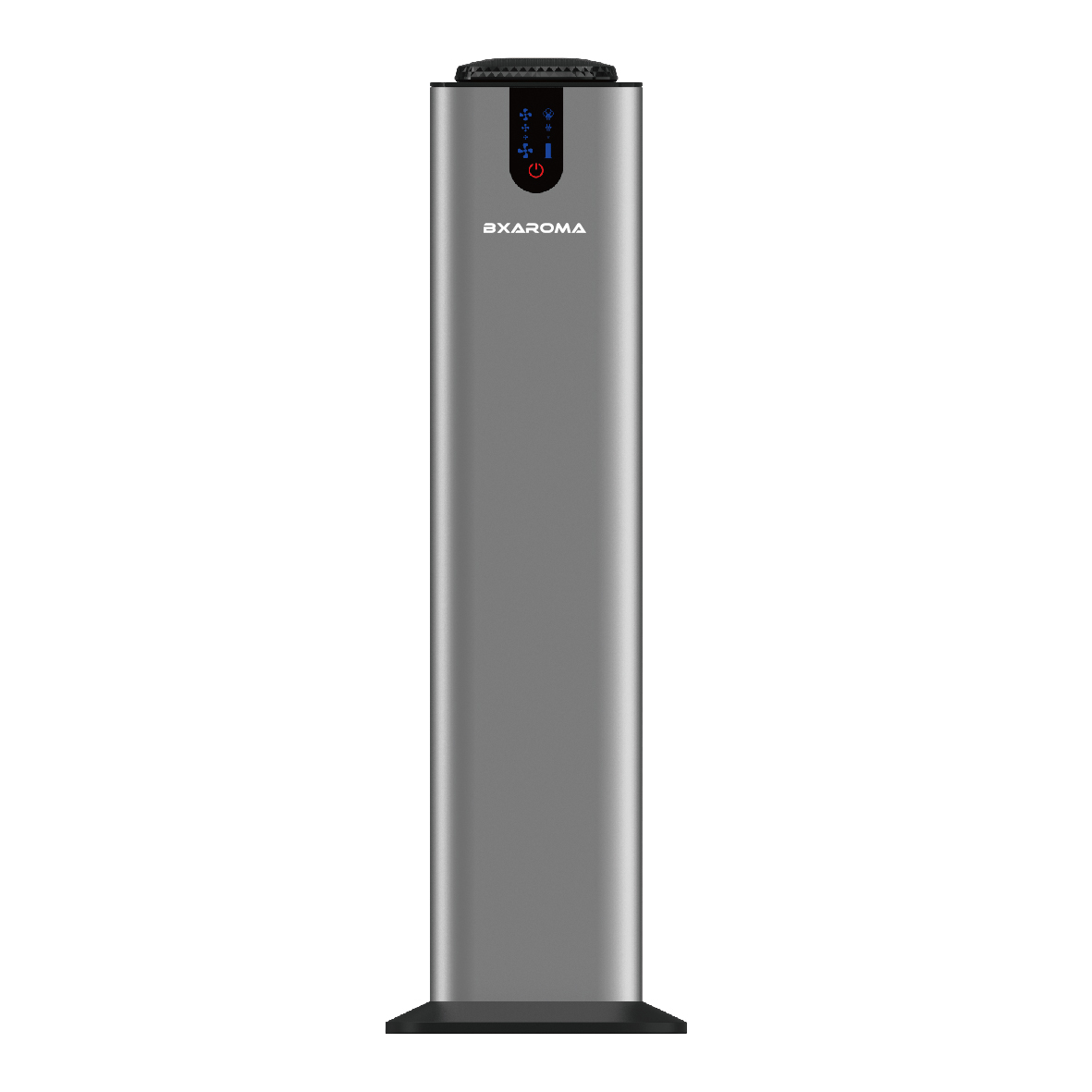
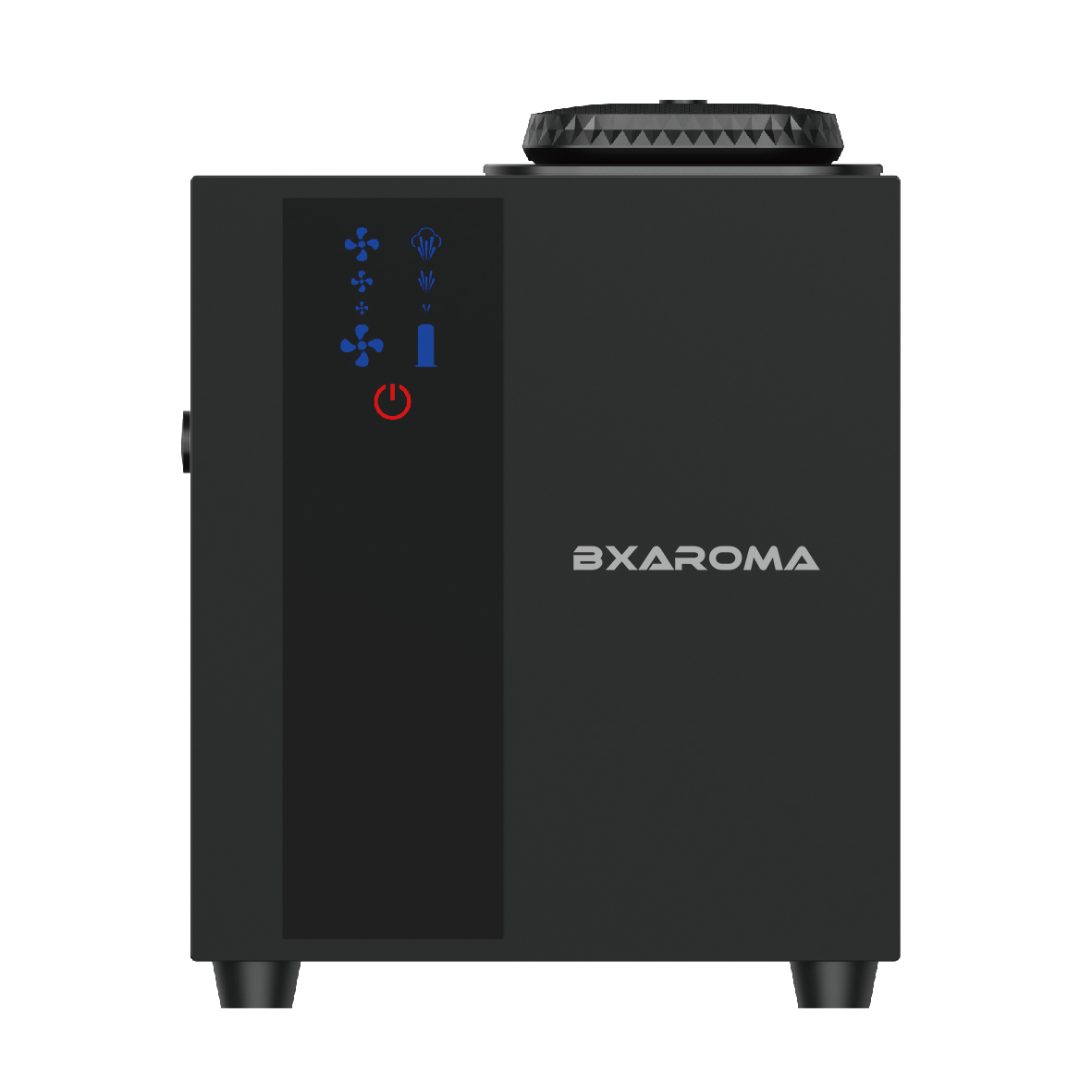
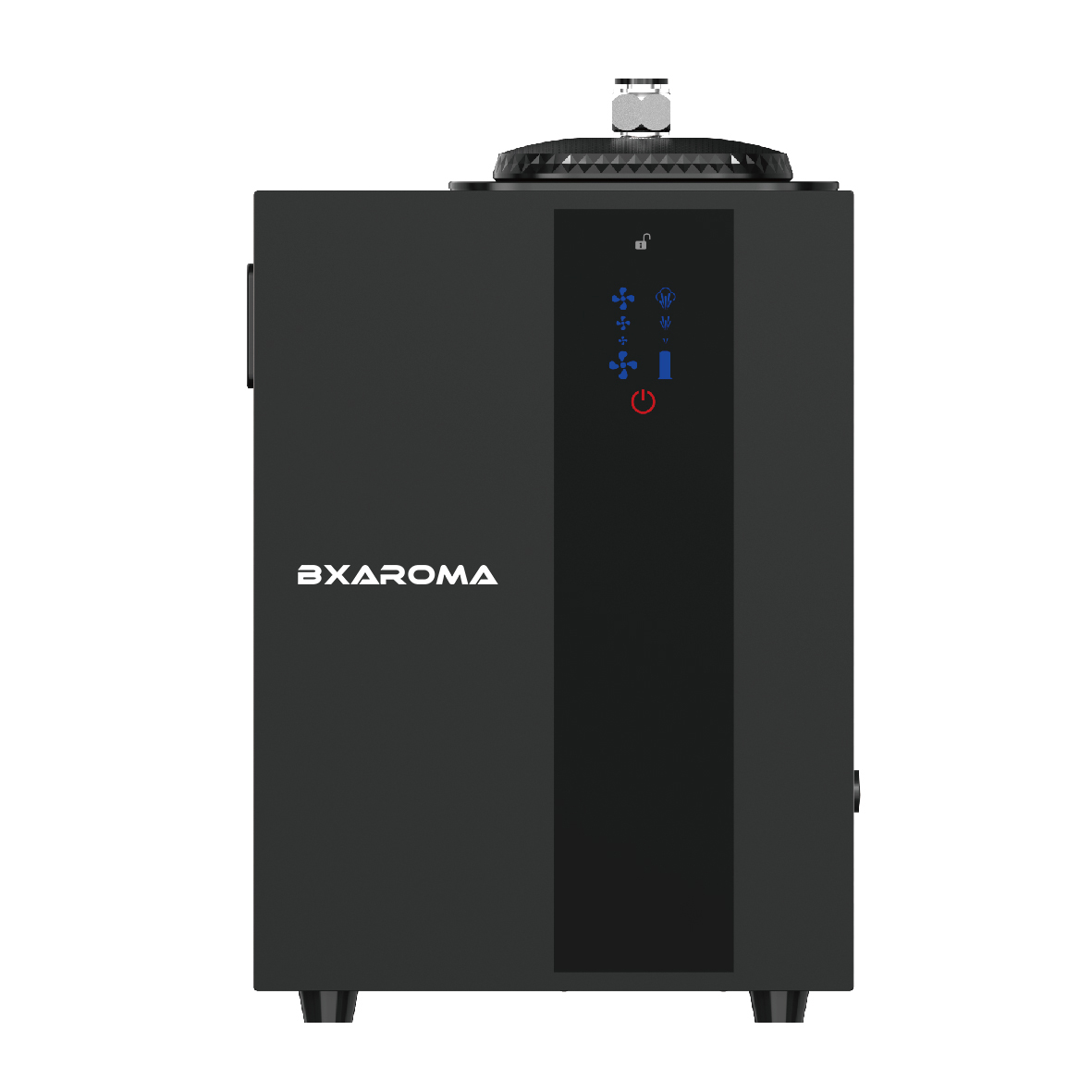
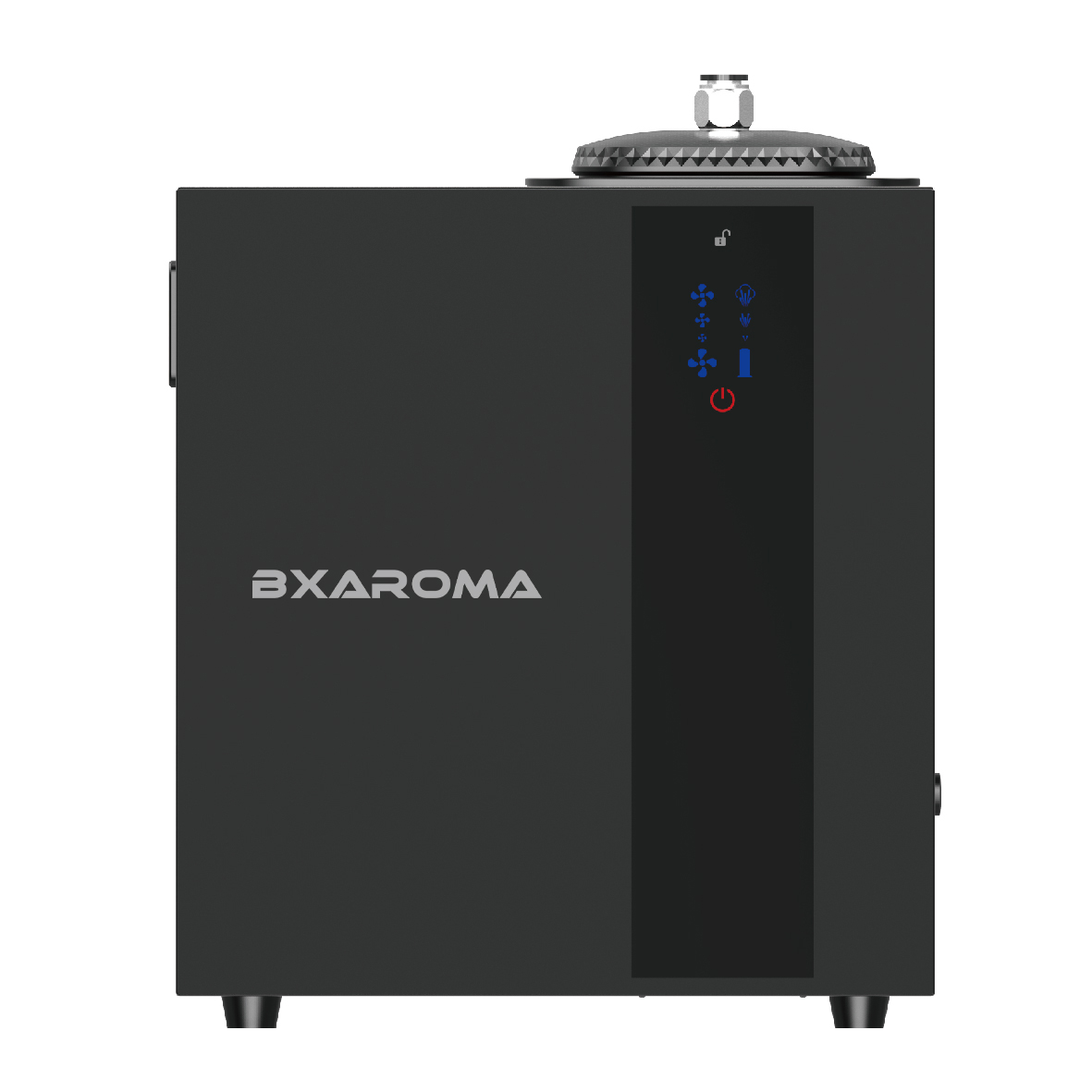
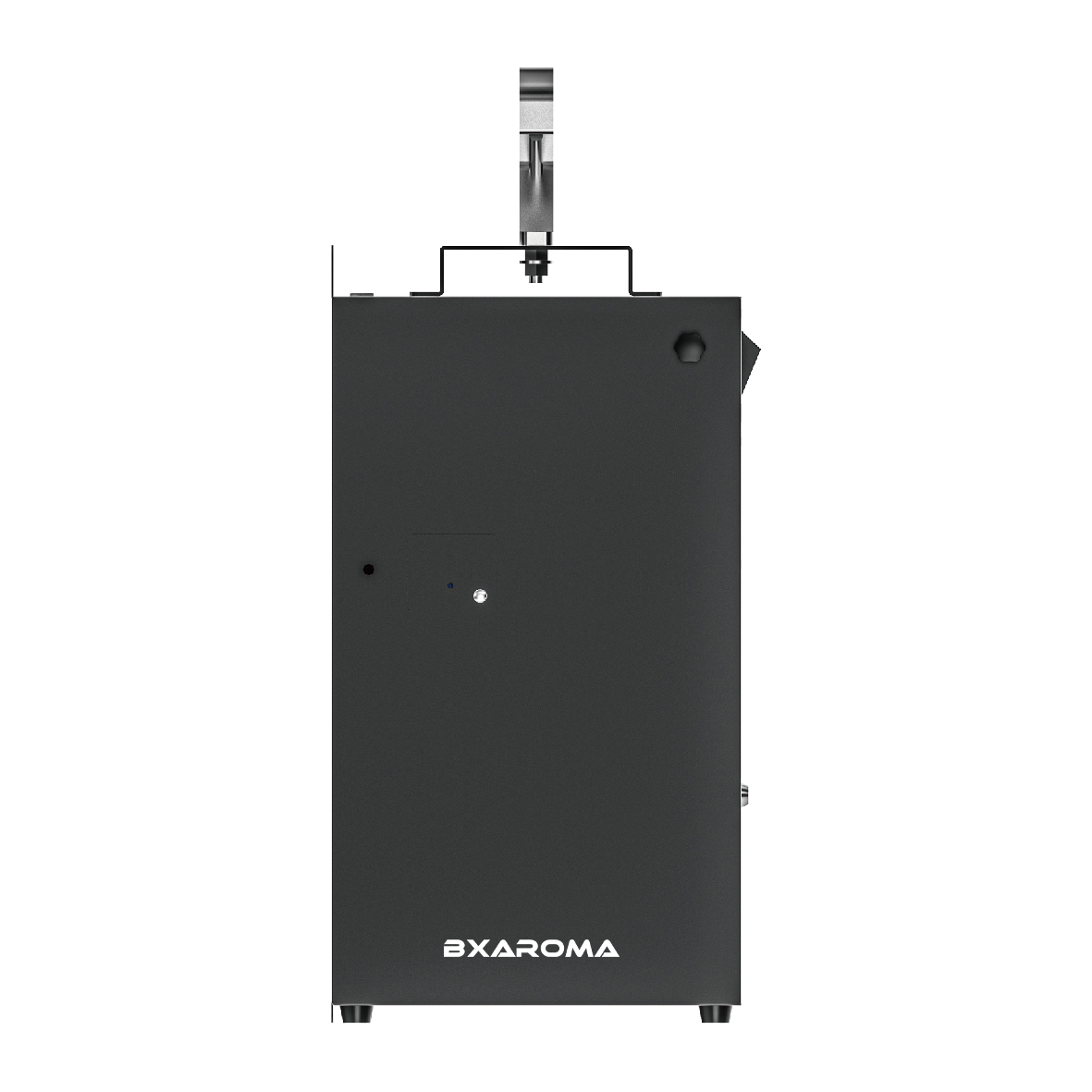
- The A1000 uses dual air pumps with a built-in turbo fan and a front-access smart lock, so the oil path and filter area can be reached without pulling the unit off the floor stand. It is rated for 1,500 m² / 4,000 m³ at 5 g/h ±0.5 g/h from an 800 mL tank, and runs below 35 dB.
- The A3000 carries an air pump rated for up to 10,000 operating hours and covers 2,000 m² / 5,000 m³ at 6 g/h ±0.6 g/h. Runtime, intensity and schedules are visible in the app, which is usually how a drifting unit gets noticed before a guest complains.
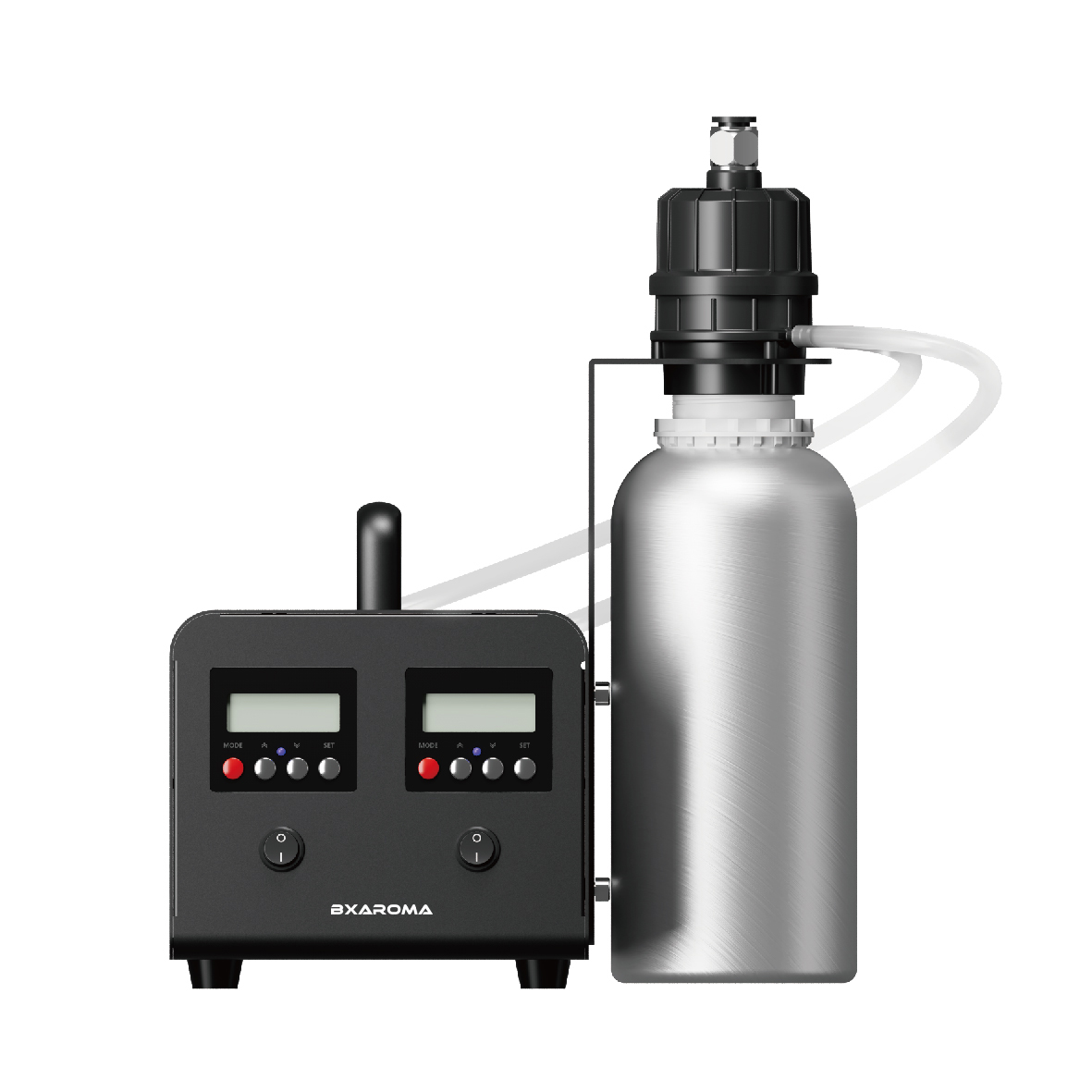
- The B5000 dual-scent HVAC diffuser runs two independent atomization channels from two 1,000 mL tanks, so one channel can be serviced while the other keeps the space scented. Its patented anti-oxidation and filtration design is aimed specifically at slowing the residue build-up that causes most blockages.
- Production runs to CE, FCC, RoHS and C-Tick testing with ISO 9001 and BSCI audited processes, and we stock consumables for the models we still build.
- Customisation covers logo, colour, manual, packaging and app branding at low MOQ, which matters when chains want maintenance documentation in their own brand and language.
FAQ
Q: Why does my diffuser run but produce no visible mist? A: Cold-air atomizers produce a dry sub-micron mist that is usually invisible, so no visible plume is not by itself a fault. Judge output by scent strength at a fixed distance and by consumption against the rated figure.
Q: Can I use any essential oil in a commercial cold-air diffuser? A: Not safely. Thick carrier oils, vegetable-based massage blends and reed diffuser formulations sit on the nozzle and harden, the most common cause of blockage we see. Oils formulated for cold-air atomization, such as the fragrance oils we supply, feed predictably.
Q: How long should a commercial unit last before the pump needs attention? A: It depends on the duty cycle more than the brand. Compare daily runtime against the rated pump hours; a unit running sixteen hours a day reaches a 10,000 hour rating about twice as fast as one running eight.
Q: Is it worth keeping spare atomizers in stock? A: Yes where scent is part of the guest experience, since a worn core is the most common replacement and costs little next to a day of unscented lobby. One spare per five units covers most estates, and Baixiang stocks consumables for models we still build.
Q: Should I size up the machine to reduce maintenance? A: Only up to a point. A larger unit at lower intensity accumulates residue more slowly than a small unit running flat out, but oversizing past the actual volume wastes oil. Start from floor area and ceiling height, then pick the model rated just above it.
Talk to Baixiang About Serviceable Commercial Scent Systems
If you are specifying diffusers for a site where downtime is visible to guests, email bx888@bxaroma.com with your floor area, ceiling height, daily operating hours and scent family. Baixiang will recommend a model with its rated coverage, consumption and pump life, and quote spare atomizers and consumables together with the machines so your maintenance plan starts on day one.